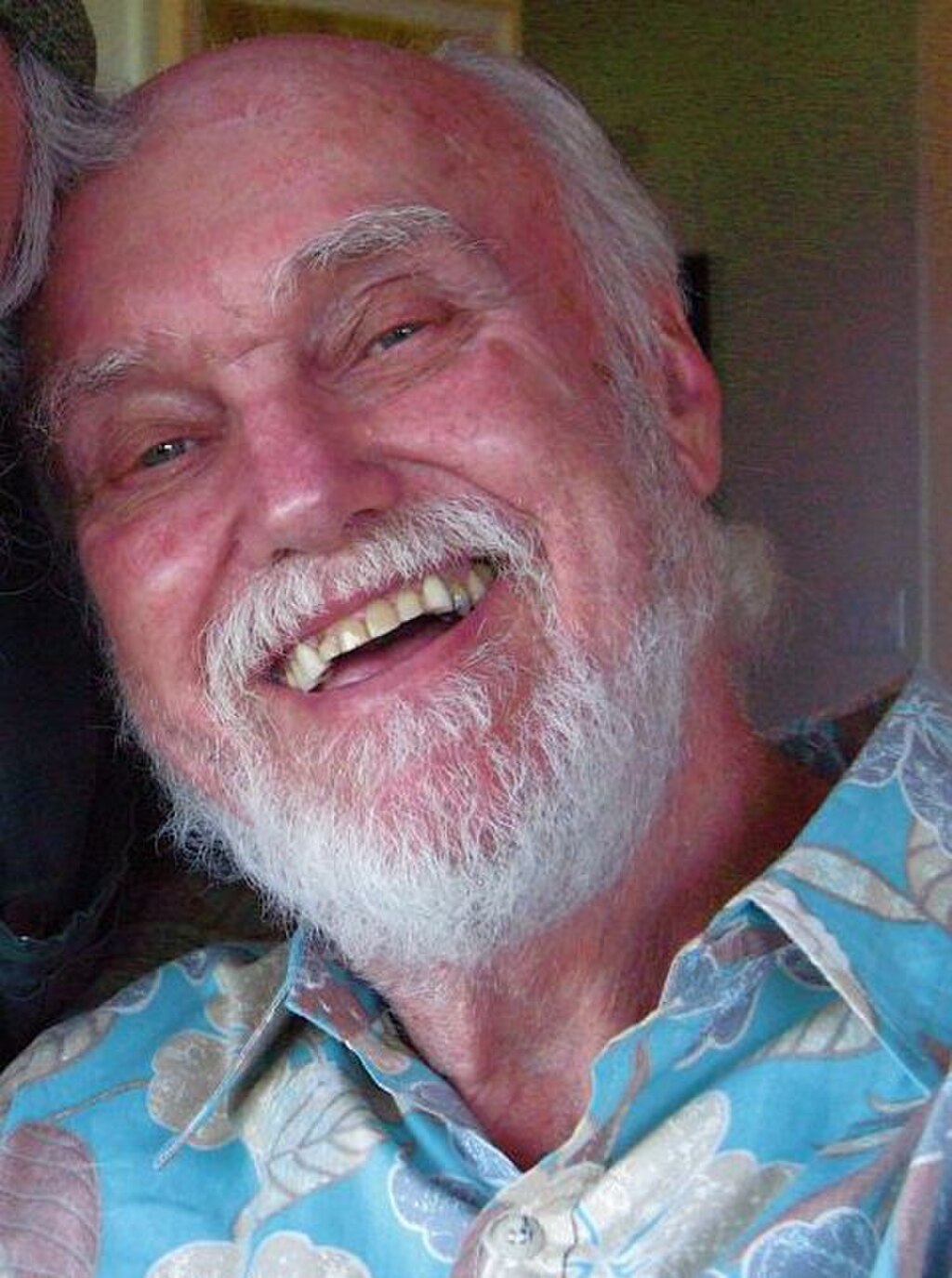
Walking Each Other Home: The Journey of Belonging
In the poignant words of Ram Dass, "We're all just walking each other home." This simple yet profound statement encapsulates the essence of our shared human experience. It suggests that life is not merely a solitary journey but a collective pilgrimage, where each of us plays a vital role in guiding one another toward a place of belonging and understanding. In a world often marked by division and isolation, this reminder of interconnectedness is both comforting and necessary.
To walk each other home implies an active participation in the lives of others, fostering a sense of community and compassion. It invites us to recognize that our paths are intertwined, and that the journey itself is enriched by the presence of others. This notion challenges the individualistic mindset prevalent in contemporary society, urging us to embrace vulnerability and openness as we navigate the complexities of existence together. In doing so, we cultivate a deeper sense of purpose and connection, ultimately leading us toward a more profound understanding of what it means to be human.
The image / the metaphor
The imagery in Ram Dass's quote evokes a sense of movement and direction, suggesting that life is a journey rather than a destination. The verbs "walking" and "home" are particularly evocative; they imply a shared experience that is both physical and spiritual. Walking together signifies companionship, support, and the act of sharing burdens, while the concept of "home" resonates with feelings of safety, acceptance, and belonging. This metaphor paints a picture of life as a winding path, where the presence of others can illuminate our way and provide solace in times of darkness.
Diving deeper into the metaphor, we can see that "home" represents not just a physical space but also an emotional and spiritual state. It is a place where we feel understood, loved, and accepted for who we are. The act of walking suggests that this journey is ongoing; it is not a linear path but rather a series of twists and turns, ups and downs. In this context, the quote encourages us to be mindful of our relationships and the impact we have on one another as we traverse this landscape of life together.
In the speaker's tradition
Ram Dass's teachings are deeply rooted in the Hindu tradition, which emphasizes the interconnectedness of all beings. Concepts such as dharma, or one's duty in life, and bhakti, the path of devotion, resonate with the idea of walking each other home. In this framework, our relationships are not merely incidental; they are integral to our spiritual growth and understanding. The notion of kenosis, or self-emptying, aligns with the idea of being present for others, allowing us to create space for love and compassion in our interactions.
In the Bhagavad Gita, a foundational text in Hindu philosophy, the importance of community and support is echoed in the teachings of Krishna to Arjuna. Krishna emphasizes the need for selflessness and the pursuit of a higher purpose, which often involves serving others. This aligns beautifully with Ram Dass's message, as both highlight the significance of walking alongside one another in our quest for spiritual fulfillment and understanding.
Living the teaching
Consider a modern scenario where this teaching comes to life: a friend facing a difficult time, perhaps due to a job loss or a personal crisis. In this moment, walking them home might mean simply being present, listening without judgment, and offering support. It is in these small acts of kindness that we embody the essence of Ram Dass's quote, reminding ourselves and others that we are not alone in our struggles. This shared experience can foster healing and resilience, reinforcing the bonds that connect us.
Another application of this teaching can be found in the context of relationships, particularly during challenging moments. Imagine a disagreement with a loved one, where emotions run high and misunderstandings abound. Instead of retreating into defensiveness, walking each other home in this situation might involve taking a step back, practicing empathy, and seeking to understand the other person's perspective. By doing so, we create a space for reconciliation and growth, transforming conflict into an opportunity for deeper connection and understanding.
A reflection
As we contemplate Ram Dass's profound insight, we are invited to reflect on our own journeys and the ways in which we can support one another. How can we be more present for those around us, and in what ways can we cultivate a sense of belonging within our communities? This contemplative question encourages us to consider our role in the lives of others and to recognize the beauty of walking each other home, one step at a time.




Join the BrightStar Community
Stay connected with daily inspiration, event announcements, and community wisdom