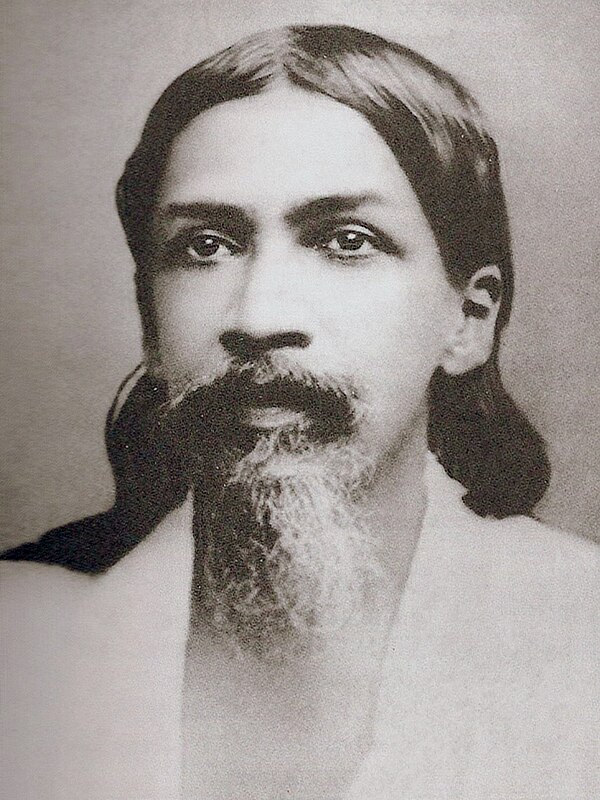
The Essence of Existence: Embracing Life as Yoga
In the profound assertion, "All life is yoga," Sri Aurobindo encapsulates the essence of existence as an intricate dance of spiritual practice and daily living. This statement invites us to reconsider our understanding of yoga, urging us to see it not merely as a series of postures or meditative practices confined to a mat, but as a holistic approach to life itself. The stakes are high; recognizing life as yoga can transform our mundane experiences into opportunities for spiritual growth, fostering a deeper connection with ourselves and the universe.
To delve deeper into this notion, we must acknowledge that yoga, in its truest sense, is about union—union with the self, with others, and with the divine. Sri Aurobindo's perspective challenges us to expand our definition of yoga beyond the physical to encompass every thought, action, and interaction. This holistic view emphasizes that every moment, whether joyful or challenging, can serve as a practice ground for spiritual awakening, urging us to cultivate mindfulness and intentionality in our daily lives.
The image / the metaphor
At its core, the quote evokes a vivid image of life as a vast tapestry, woven with threads of intention, action, and awareness. The term "yoga" itself derives from the Sanskrit root "yuj," meaning to unite or join. This imagery suggests that every aspect of our existence—our relationships, work, and even our struggles—can be seen as a means to unite with our higher selves and the greater cosmos. The verbs chosen in this quote, particularly "is," imply a state of being rather than a mere activity, inviting us to embody the essence of yoga in every breath we take.
Diving deeper into this metaphor, we can perceive life as a continuous flow, akin to a river that meanders through various landscapes. Just as a river adapts to its surroundings while maintaining its essence, we too can navigate the complexities of life while remaining rooted in our spiritual practice. This fluidity encourages us to embrace change and uncertainty, recognizing that each experience—whether joyous or painful—contributes to our overall journey of self-discovery and union.
In the speaker's tradition
Sri Aurobindo's teachings are deeply embedded in the rich tapestry of Hindu philosophy, where concepts such as dharma (righteous duty), bhakti (devotion), and prajna (wisdom) play pivotal roles. By asserting that all life is yoga, he aligns with the idea that every action we take can be an expression of our dharma, a way to fulfill our purpose while remaining connected to the divine. This perspective resonates with the notion of kenosis, or self-emptying, where one surrenders the ego to allow for a greater spiritual awakening, thus transforming ordinary life into a sacred practice.
In "The Synthesis of Yoga," Aurobindo elaborates on the integration of various paths of yoga—karma, bhakti, and jnana—into a cohesive practice that permeates every facet of life. He emphasizes that the essence of yoga lies not in isolation but in the active engagement with the world around us. This holistic approach invites us to see our daily interactions and responsibilities as opportunities for spiritual growth, echoing the teachings found in the Bhagavad Gita, where Krishna guides Arjuna to perform his duty with devotion and awareness.
Living the teaching
Consider a modern scenario where this teaching can be applied: a busy professional navigating the demands of work and personal life. In the midst of deadlines and meetings, one might feel overwhelmed, viewing these tasks as burdens rather than opportunities for growth. By embracing the idea that "all life is yoga," this individual can transform their approach, seeing each interaction with colleagues as a chance to practice mindfulness, compassion, and presence. This shift in perspective not only alleviates stress but also fosters a deeper connection with others, turning the workplace into a vibrant space for spiritual practice.
Another application of this teaching can be found within the realm of relationships. Imagine a moment of conflict with a loved one, where emotions run high and misunderstandings abound. Instead of reacting impulsively, one can pause and reflect on the situation as a practice of yoga—an opportunity to cultivate patience, empathy, and understanding. By approaching the conflict with the mindset that this moment is part of the greater journey of union and self-discovery, the individual can navigate the challenge with grace, ultimately deepening the bond with their partner.
A reflection
As we contemplate the profound statement that "all life is yoga," we are invited to reflect on our own experiences and interactions. How can we begin to see the ordinary moments of our lives as sacred opportunities for practice? In what ways can we infuse our daily routines with mindfulness and intention, transforming the mundane into the divine? Let this question linger in your heart as you move through your day, allowing it to guide you toward a deeper understanding of your own journey.





Join the BrightStar Community
Stay connected with daily inspiration, event announcements, and community wisdom