The Divine Veil: Unraveling the Hidden Nature
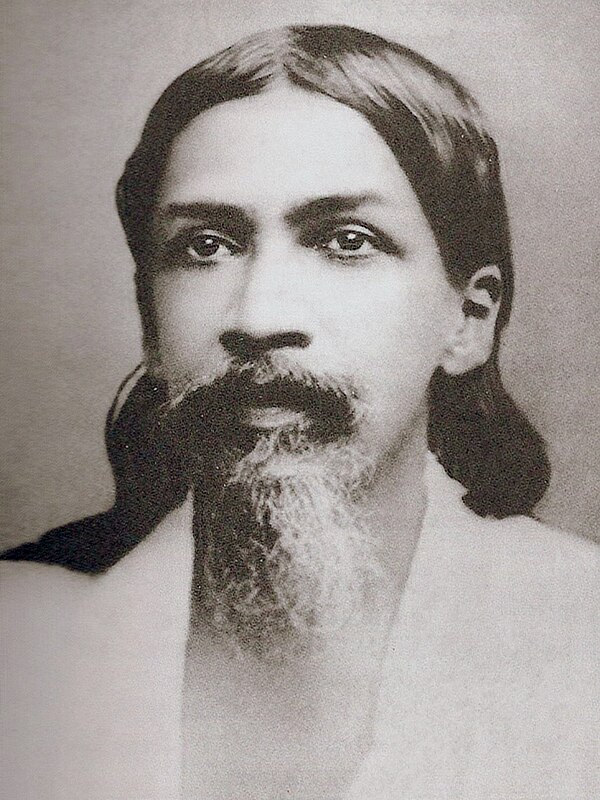
Sri Aurobindo's assertion that "Hidden nature is secret God" invites us to explore the profound relationship between the divine and the natural world. In this statement, Aurobindo suggests that the essence of the divine is intricately woven into the fabric of nature, often concealed beneath layers of perception and understanding. This perspective challenges us to look beyond the surface of our experiences and recognize the sacredness that permeates all aspects of existence. The stakes are high; in acknowledging this hidden divinity, we open ourselves to a deeper connection with the universe and the spiritual truths that govern it.
Delving deeper, we find that Aurobindo's words resonate with the idea that the divine is not an abstract concept, but rather a living presence that manifests in the world around us. This hidden nature is not merely a secret to be uncovered but a dynamic interplay of forces that invites us to engage with the world in a more meaningful way. By recognizing the divine in the mundane, we cultivate a sense of reverence and gratitude for the life that surrounds us. This understanding can transform our perception of reality, allowing us to see the sacred in every moment and interaction.
The image / the metaphor
The imagery in Aurobindo's quote evokes a sense of mystery and depth. The term "hidden nature" suggests layers of existence that are not immediately visible, while "secret God" implies a divine presence that is both intimate and elusive. The verbs chosen—"hidden" and "secret"—convey a sense of concealment, urging us to seek and discover what lies beneath the surface. This evokes a felt sense of wonder and curiosity, inviting us to embark on a journey of exploration into the depths of our own experiences and the world around us.
Going deeper into the metaphor, we can interpret "hidden nature" as the myriad forms and expressions of life that often go unnoticed in our daily routines. It speaks to the idea that the divine is not confined to temples or sacred texts but is present in the rustling of leaves, the laughter of children, and the quiet moments of solitude. The phrase "secret God" suggests that this divine essence is not always apparent; it requires a discerning eye and an open heart to perceive it. In this way, Aurobindo invites us to cultivate a deeper awareness of the interconnectedness of all things and the divine presence that underlies our reality.
In the speaker's tradition
Within the context of Sri Aurobindo's spiritual philosophy, this quote resonates with several key concepts in Hindu thought. The idea of "dharma," or the inherent order of the universe, aligns with the notion that hidden nature reflects a divine purpose. Similarly, the concept of "kenosis," or self-emptying, can be seen as a way to access this hidden divinity by relinquishing our ego-driven desires and opening ourselves to the greater reality. Aurobindo's emphasis on the divine in nature also echoes the principles of "bhakti," or devotion, which encourages a loving relationship with the divine as it manifests in the world.
In Aurobindo's writings, particularly in "The Life Divine," he elaborates on the idea that the material world is a manifestation of the divine consciousness. He posits that the universe is not separate from God but is an expression of the divine will. This perspective invites us to see the world as a sacred space where the hidden nature of God is continually unfolding, encouraging us to engage with it through love, reverence, and a commitment to spiritual growth.
Living the teaching
Consider a modern scenario where this teaching can be applied: a busy urban environment where the hustle and bustle often drown out the subtle beauty of life. In such a setting, one might feel disconnected from nature and the divine. However, by consciously taking moments to pause and observe—whether it's the intricate patterns of a leaf, the laughter of a child, or the kindness of a stranger—one can begin to uncover the hidden nature that Aurobindo speaks of. This practice of mindfulness allows us to reconnect with the sacredness of our surroundings, transforming the ordinary into the extraordinary.
In relationships, the teaching of hidden nature can also find profound application. During conflicts or misunderstandings, it is easy to lose sight of the divine essence within ourselves and others. By approaching these moments with the understanding that each person carries a hidden nature—a secret God—we can cultivate compassion and empathy. This perspective encourages us to look beyond the surface of disagreements and recognize the shared humanity and divinity that binds us all, fostering deeper connections and healing.
A reflection
As we contemplate Aurobindo's assertion that "Hidden nature is secret God," we are invited to reflect on our own perceptions of the world around us. What hidden aspects of nature have you overlooked in your daily life? How might recognizing the divine presence in the mundane transform your experience of reality? This contemplative question encourages us to engage with our surroundings more deeply, fostering a sense of wonder and connection to the sacred that is ever-present in our lives.





Join the BrightStar Community
Stay connected with daily inspiration, event announcements, and community wisdom