The Gentle Art of Letting Go: Embracing Compassion in Action
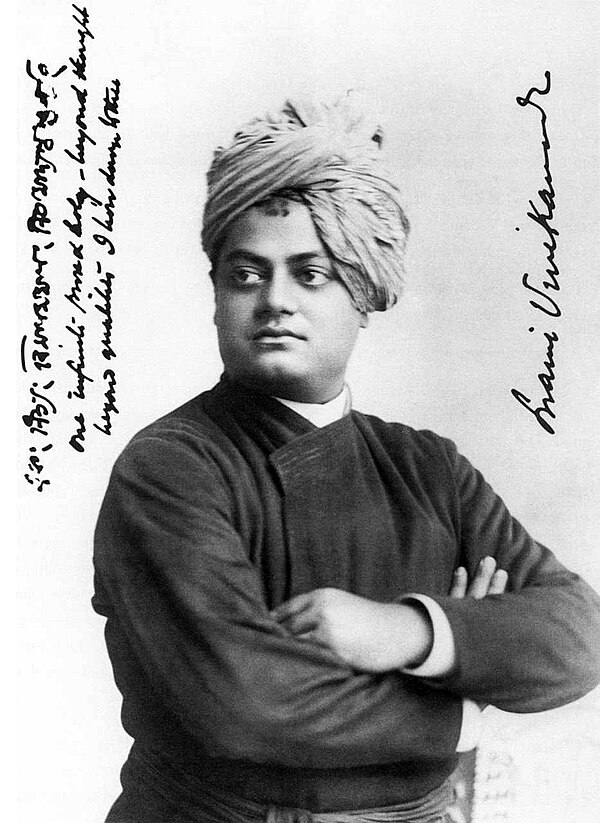
Swami Vivekananda's quote, "Condemn none: if you can stretch out a helping hand, do so. If you cannot, fold your hands, bless your brothers, and let them go their own way," invites us into a profound exploration of compassion and non-judgment. It urges us to engage actively in the world, offering assistance where we can, while also recognizing the limits of our capacity to help. This duality of action and acceptance is crucial in a world often fraught with conflict and misunderstanding, reminding us that our responses can either uplift or diminish the human experience.
In a society that frequently emphasizes judgment and division, Vivekananda's words serve as a balm, encouraging a shift towards understanding and empathy. The essence of this teaching lies in the recognition of our shared humanity, suggesting that even when we cannot intervene directly, we can still cultivate a spirit of blessing and goodwill. This perspective not only fosters personal peace but also contributes to a collective harmony, as we learn to honor the paths of others without imposing our will upon them.
The image / the metaphor
The imagery in Vivekananda's quote is rich and evocative, presenting two distinct yet interconnected actions: extending a helping hand and folding one's hands in blessing. The act of reaching out signifies engagement, a willingness to participate in the struggles of others, while folding one's hands suggests a posture of reverence and acceptance. This duality captures the essence of compassionate action—recognizing when to intervene and when to step back, allowing others the freedom to navigate their own journeys.
Diving deeper into the metaphor, we find that the "helping hand" symbolizes not just physical assistance but also emotional and spiritual support. It embodies the idea of dharma, or righteous duty, where one acts in accordance with their higher self and the needs of others. Conversely, the act of folding one's hands can be seen as a form of kenosis, the self-emptying love that allows space for others to grow. This balance between action and non-action is a delicate dance, one that requires discernment and deep compassion.
In the speaker's tradition
Swami Vivekananda's teachings are deeply rooted in the Hindu tradition, where concepts such as dharma and bhakti play pivotal roles. Dharma, or the moral law that governs individual conduct, aligns with the idea of extending a helping hand, as it calls upon us to act in ways that support the greater good. Bhakti, the path of devotion, complements this by encouraging us to bless others, fostering a sense of unity and love that transcends individual differences. Together, these concepts create a framework for living a life of compassion and understanding.
In Vivekananda's own writings, particularly in "Karma Yoga," he emphasizes the importance of selfless action and the need to serve others without attachment to the results. This aligns with the teachings found in the Bhagavad Gita, where Krishna advises Arjuna to perform his duty without desire for the fruits of his actions. Such texts reinforce the idea that true compassion involves both action and acceptance, guiding us to navigate our relationships with wisdom and grace.
Living the teaching
Consider a modern scenario where this teaching resonates: a colleague at work is struggling with a heavy workload, and you have the capacity to assist them. In this moment, extending a helping hand might mean offering your time and skills to lighten their burden. However, if circumstances prevent you from doing so—perhaps due to your own commitments—folding your hands in blessing could involve sending them positive thoughts or encouraging words, allowing them to find their own way through the challenge. This approach not only honors their autonomy but also fosters a supportive environment.
Another application of this teaching can be found in personal relationships, particularly during conflicts. Imagine a disagreement with a friend where emotions run high. Instead of condemning their viewpoint, you could choose to listen actively and empathize with their feelings, extending a helping hand through understanding. If the situation becomes too heated and resolution seems impossible, folding your hands in blessing might mean stepping back, allowing space for both of you to reflect and grow independently. This practice of compassion and non-judgment can transform relationships, fostering deeper connections rooted in mutual respect.
A reflection
As we contemplate Vivekananda's wisdom, we are invited to reflect on our own lives: in what situations do we find ourselves quick to judge, and how might we instead extend a helping hand or bless those around us? This question encourages us to examine our responses to others, fostering a deeper awareness of our capacity for compassion. By embracing this teaching, we can cultivate a more harmonious existence, both within ourselves and in our interactions with the world.



Join the BrightStar Community
Stay connected with daily inspiration, event announcements, and community wisdom