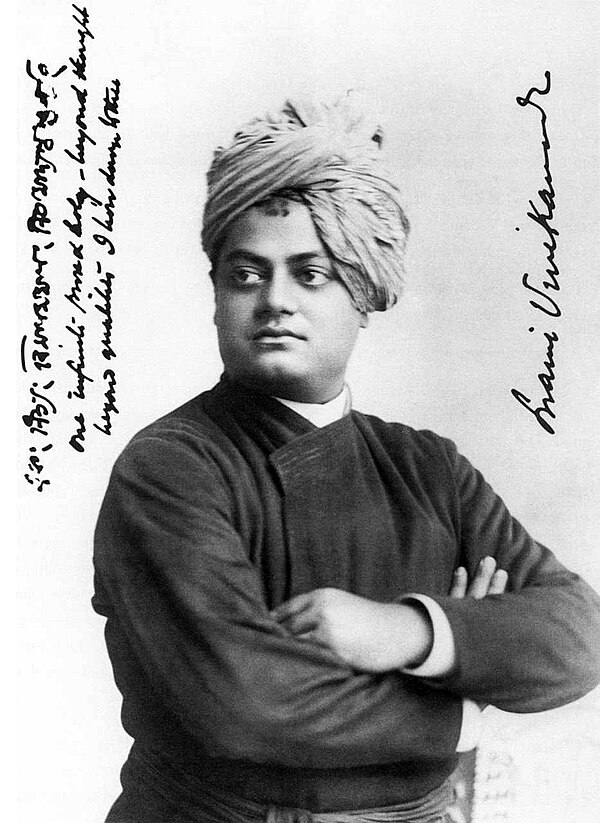
The Strength of Inner Faith
Swami Vivekananda's call to "have faith in yourselves and stand up on that faith and be strong" resonates deeply in a world often marked by uncertainty and self-doubt. This quote urges us to cultivate a profound trust in our own capabilities, suggesting that true strength arises not from external validation but from an unwavering belief in oneself. In a society that frequently measures worth through external achievements, this message is both a challenge and a beacon of hope, inviting us to explore the depths of our inner resources.
Moreover, Vivekananda's words highlight the transformative power of faith, not merely as a passive belief but as an active force that propels us forward. This faith is not blind; it is a conscious choice to acknowledge our potential and to stand firm in the face of adversity. By emphasizing the need for strength derived from self-belief, Vivekananda encourages us to engage with our inner lives, fostering resilience and courage in our personal journeys.
The image / the metaphor
The imagery in Vivekananda's quote evokes a sense of empowerment and agency. The verbs "have," "stand up," and "be strong" create a dynamic picture of an individual rising to meet life's challenges. This active stance suggests that faith is not a passive state of being but a deliberate act of standing firm in one's convictions. The phrase "stand up on that faith" implies a foundation built on self-belief, a solid ground from which one can navigate the complexities of existence.
Diving deeper into the metaphor, we can see that standing up on faith signifies a commitment to authenticity and integrity. It is an invitation to embody our beliefs in tangible ways, to let our faith inform our actions and decisions. This metaphorical standing is not merely about personal strength; it also speaks to the interconnectedness of our faith with the world around us, suggesting that when we stand strong in our beliefs, we can inspire others to do the same.
In the speaker's tradition
Swami Vivekananda's teachings are deeply rooted in the Hindu tradition, where concepts such as dharma (righteous duty) and bhakti (devotion) play pivotal roles in understanding the self and its relationship to the universe. The idea of faith in oneself aligns with the notion of svadharma, or one's own path, which encourages individuals to trust their unique journey and inherent strengths. This self-trust is essential for fulfilling one's dharma, as it empowers individuals to act in accordance with their true nature.
In the context of Vivekananda's philosophy, we can draw parallels to the Bhagavad Gita, where Arjuna is urged to trust in his own abilities and fulfill his duty as a warrior. Krishna's guidance to Arjuna emphasizes the importance of self-belief and the strength that comes from aligning with one's true purpose. This ancient text reinforces Vivekananda's message, illustrating that faith in oneself is not only a personal endeavor but also a spiritual imperative.
Living the teaching
Consider a modern scenario where an individual faces a significant career decision, perhaps contemplating a leap into entrepreneurship. The fear of failure and self-doubt can loom large, but by embracing Vivekananda's teaching, this person can cultivate faith in their abilities and the unique vision they bring to the table. Standing up on that faith means taking actionable steps, such as seeking mentorship, conducting market research, and ultimately trusting their instincts to navigate the uncertainties of starting a new venture.
In a different context, imagine a relationship strained by misunderstandings and conflicts. Here, the application of Vivekananda's teaching can manifest as a commitment to self-reflection and open communication. By having faith in oneself and one's capacity for empathy and growth, individuals can approach the relationship with strength and clarity. This faith allows them to express their needs and boundaries while remaining open to understanding their partner's perspective, fostering a healthier dynamic built on mutual respect and trust.
A reflection
As we contemplate Vivekananda's powerful message, we might ask ourselves: In what areas of my life do I struggle to have faith in myself, and how can I begin to stand up on that faith? This question invites introspection and encourages us to identify the barriers that hinder our self-belief. By engaging with this inquiry, we can begin to cultivate the strength that arises from a deep-rooted faith in our own potential, ultimately transforming our lives and the lives of those around us.




Join the BrightStar Community
Stay connected with daily inspiration, event announcements, and community wisdom