The Pursuit of Knowledge: A Deeper Understanding of Purpose
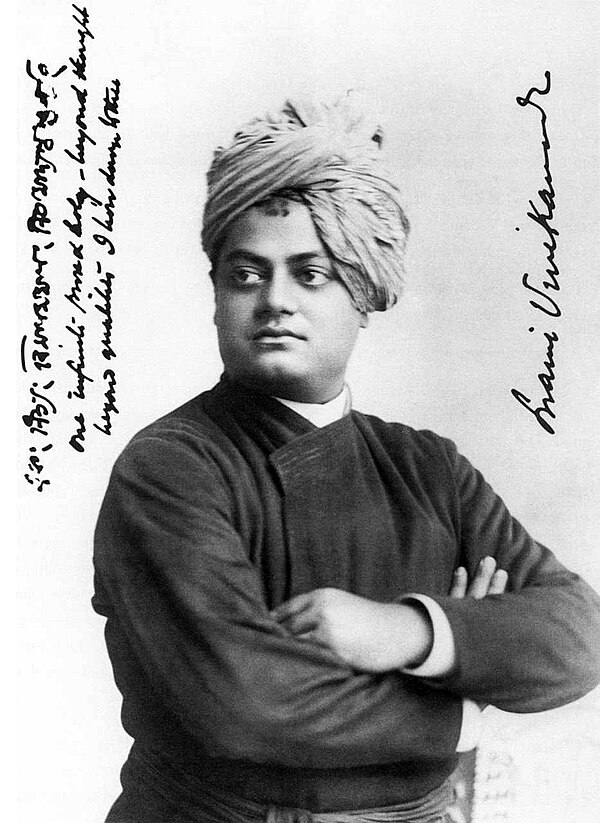
Swami Vivekananda's assertion that "Pleasure is not the goal of man, but knowledge" invites us to reconsider the very foundation of our existence. In a world often dominated by the pursuit of fleeting pleasures, this statement serves as a profound reminder that true fulfillment lies in the pursuit of knowledge and understanding. It challenges us to reflect on our motivations and the deeper purpose that drives our lives, urging us to seek wisdom rather than mere gratification.
This perspective is particularly relevant in contemporary society, where instant gratification is readily available and often celebrated. The allure of pleasure can distract us from the more substantial and enduring quest for knowledge. Vivekananda's words resonate as a call to elevate our aspirations, suggesting that the pursuit of knowledge not only enriches our lives but also aligns us with a higher purpose, one that transcends the ephemeral nature of pleasure.
The image / the metaphor
At its core, Vivekananda's quote presents a stark contrast between pleasure and knowledge, two concepts that evoke distinct imagery and emotional responses. Pleasure conjures images of indulgence, momentary satisfaction, and sensory experiences that often fade as quickly as they arise. In contrast, knowledge evokes a sense of depth, exploration, and the enduring quest for truth. The verbs chosen—"is not" and "but"—create a dichotomy that compels us to choose between these two paths, highlighting the necessity of prioritizing knowledge over transient pleasures.
In the speaker's tradition
Swami Vivekananda's teachings are deeply rooted in the Hindu tradition, where the pursuit of knowledge is often linked to concepts such as dharma and prajna. Dharma, or one's duty, emphasizes the importance of living in accordance with one's true nature and purpose, while prajna refers to wisdom or insight that arises from deep understanding. In this context, knowledge is not merely intellectual but is intertwined with ethical living and spiritual growth, guiding individuals toward their higher selves.
Moreover, Vivekananda's emphasis on knowledge resonates with the teachings found in the Bhagavad Gita, where the pursuit of wisdom is portrayed as essential for fulfilling one's dharma. The Gita speaks of the importance of self-realization and understanding the nature of reality, suggesting that true knowledge leads to liberation (moksha). This alignment of knowledge with spiritual awakening underscores the significance of Vivekananda's assertion, positioning it within a broader philosophical framework that values wisdom as the ultimate goal of human existence.
Living the teaching
In our modern lives, the teaching that knowledge surpasses pleasure can manifest in various ways. Consider a scenario where an individual is faced with the choice between a night out filled with entertainment and indulgence or a quiet evening spent reading a book that expands their understanding of the world. While the former may offer immediate gratification, the latter provides an opportunity for growth and insight, ultimately leading to a more enriching experience. This choice reflects the essence of Vivekananda's message, urging us to prioritize long-term fulfillment over short-lived pleasures.
Another application of this teaching can be found in relationships. In moments of conflict, one might be tempted to seek immediate pleasure through avoidance or superficial resolutions. However, engaging in open and honest communication—though challenging—can lead to deeper understanding and connection. By choosing knowledge and insight over the comfort of temporary pleasure, we cultivate healthier relationships and foster an environment where growth and mutual respect can flourish.
A reflection
As we contemplate Swami Vivekananda's profound assertion, we are invited to reflect on our own lives and the choices we make. Are we prioritizing fleeting pleasures, or are we seeking knowledge that enriches our understanding and purpose? In this spirit, consider this contemplative question: What is one area of your life where you can shift your focus from immediate gratification to a deeper pursuit of knowledge and understanding?




Join the BrightStar Community
Stay connected with daily inspiration, event announcements, and community wisdom