Embracing the Weight of Creation
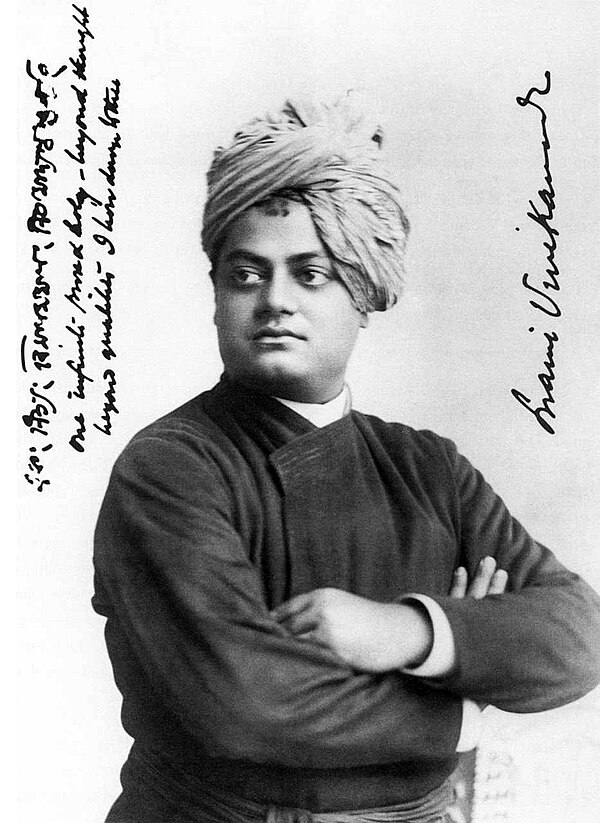
Swami Vivekananda's exhortation to "Stand up, be bold, be strong. Take the whole responsibility on your own shoulders, and know that you are the creator of your own destiny" serves as a powerful reminder of the agency we possess in shaping our lives. In a world often marked by uncertainty and external pressures, this call to courage and self-responsibility resonates deeply. It invites us to recognize that our choices, actions, and attitudes are the very fabric of our existence, urging us to step into our power as active participants in our own journeys.
This quote encapsulates a profound truth about the nature of existence and the human experience. It challenges us to confront the fears and doubts that may hold us back, urging us to rise above them. By embracing our role as creators of our destinies, we not only empower ourselves but also cultivate a sense of purpose and direction. This teaching is not merely an encouragement to act; it is a profound invitation to engage with life fully, to take ownership of our paths, and to understand that the essence of our being lies in our ability to shape our realities.
The image / the metaphor
The imagery in Vivekananda's words evokes a sense of strength and determination. The verbs "stand up," "be bold," and "be strong" conjure a vivid picture of an individual rising from a place of passivity to one of active engagement. This transition is not merely physical; it is a mental and spiritual awakening. The phrase "take the whole responsibility on your own shoulders" suggests a weightiness, a recognition that our choices carry consequences. It is a call to embrace the fullness of our humanity, to acknowledge both our power and our accountability.
In the speaker's tradition
Swami Vivekananda's teachings are deeply rooted in the Hindu tradition, where concepts such as dharma (duty), karma (action), and moksha (liberation) play pivotal roles. The idea of taking responsibility for one's destiny aligns closely with the principle of dharma, which emphasizes the importance of fulfilling one's responsibilities with integrity and courage. In this context, Vivekananda's call to action can be seen as an invitation to align our actions with our higher purpose, recognizing that our choices shape not only our lives but also the world around us.
Moreover, Vivekananda's emphasis on personal agency resonates with the teachings found in the Bhagavad Gita, where Lord Krishna encourages Arjuna to embrace his duty as a warrior. The Gita teaches that while we may not control the outcomes of our actions, we are responsible for the actions themselves. This aligns beautifully with Vivekananda's assertion that we are the creators of our own destinies, urging us to act with intention and purpose, regardless of the uncertainties that lie ahead.
Living the teaching
Consider a modern scenario where this teaching can be applied: a young professional facing a crossroads in their career. They may feel overwhelmed by external expectations, societal pressures, or fear of failure. In this moment, Vivekananda's words serve as a guiding light, encouraging them to stand up, take bold steps, and embrace the responsibility of shaping their career path. By recognizing that they are the architects of their own destiny, they can make choices that align with their values and aspirations, rather than succumbing to the weight of external opinions.
Another application of this teaching can be found in personal relationships. Imagine a situation where misunderstandings and conflicts arise between friends or partners. Instead of blaming the other for the discord, one can embody Vivekananda's call to take responsibility. By approaching the situation with courage and openness, one can initiate difficult conversations, express their feelings, and work collaboratively towards resolution. This act of taking ownership not only fosters deeper connections but also empowers both individuals to grow and evolve together.
A reflection
As we contemplate Vivekananda's powerful message, we are invited to reflect on our own lives and the ways in which we embrace responsibility. Are there areas where we have been passive, allowing circumstances to dictate our paths? In what ways can we stand up, be bold, and take ownership of our destinies? This contemplation invites us to engage with our inner selves, to explore the courage that lies within, and to recognize the transformative power of taking responsibility for our lives.


Join the BrightStar Community
Stay connected with daily inspiration, event announcements, and community wisdom