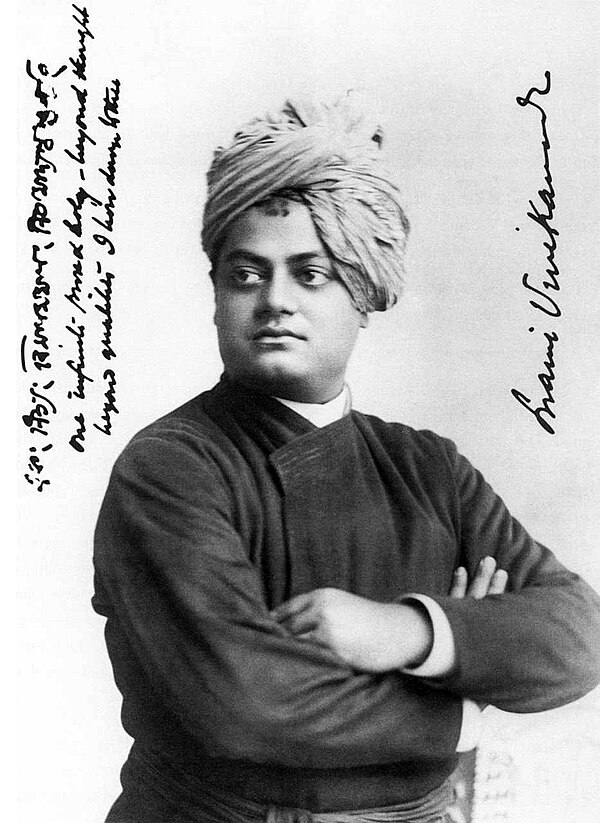
The Path to Self-Reliance: Walking on Our Own Legs
Swami Vivekananda's assertion that "the greatest help one can give a man is to teach him to walk on his own legs" encapsulates a profound truth about human potential and the nature of true assistance. Rather than offering mere handouts or temporary solutions, this teaching emphasizes the importance of fostering independence and self-reliance. In a world often characterized by dependency and expectation, the stakes of this message resonate deeply, urging us to cultivate the inner strength necessary to navigate our own paths.
To walk on one's own legs is not merely a physical act; it symbolizes the journey of self-discovery and empowerment. It invites us to consider the ways in which we support one another, challenging us to move beyond superficial aid and towards a more transformative engagement. This teaching speaks to the heart of personal growth, suggesting that the most meaningful contributions we can make to others lie in nurturing their ability to stand tall and navigate the complexities of life with confidence.
The image / the metaphor
The imagery of walking on one's own legs evokes a sense of agency and autonomy. The verbs "teach" and "walk" are particularly significant; they imply a process of learning and development rather than a one-time act of giving. The act of walking itself suggests movement, progress, and the courage to venture into the unknown. This metaphor resonates with the human experience, where each step taken is a testament to our resilience and determination to forge our own paths.
Diving deeper into this metaphor, we can see that walking is not just about physical mobility; it represents the journey of life itself. Each leg we stand on symbolizes the values, lessons, and experiences that ground us. To teach someone to walk on their own legs is to empower them to embrace their unique journey, to face challenges with courage, and to find their footing in a world that often seeks to dictate terms. It is an invitation to cultivate a sense of belonging within oneself, rather than relying solely on external validation.
In the speaker's tradition
Swami Vivekananda's teachings are deeply rooted in the Hindu tradition, where concepts such as dharma and self-realization play pivotal roles. Dharma, or one's duty and path in life, emphasizes the importance of individual responsibility and ethical living. By encouraging self-reliance, Vivekananda aligns with the idea that each person must discover their own dharma and walk it with integrity. This teaching resonates with the notion of kenosis, or self-emptying, where one sheds dependency on external sources and embraces the fullness of their inner potential.
In Vivekananda's own writings, particularly in his lectures, he often draws upon the idea of prajna, or wisdom, which is cultivated through personal experience and introspection. He believed that true knowledge arises not from mere intellectual understanding but from the lived experience of walking one's own path. This aligns with the teachings found in the Bhagavad Gita, where Arjuna is urged to embrace his duty and act according to his own understanding, rather than succumbing to the expectations of others.
Living the teaching
Consider a modern scenario where this teaching can be applied: a mentor guiding a young professional in their career. Instead of simply providing answers or solutions, the mentor encourages the mentee to explore their own strengths, make decisions, and learn from their experiences. This approach fosters a sense of ownership and accountability, allowing the mentee to develop confidence and competence in their field. The mentor's role becomes one of support and guidance, rather than a crutch that stifles growth.
In the context of relationships, this teaching can manifest in how we interact with loved ones during difficult moments. Instead of rushing to solve their problems or offer unsolicited advice, we can create space for them to express their feelings and find their own solutions. This practice not only strengthens the bond of trust but also empowers the other person to navigate their challenges with resilience. By encouraging self-reliance, we honor their journey and affirm their capacity to stand on their own legs.
A reflection
As we contemplate Swami Vivekananda's profound insight, we might ask ourselves: "In what areas of my life am I still relying on others to carry me, and how can I begin to cultivate my own strength and independence?" This question invites us to reflect on our personal journeys, encouraging us to identify the ways in which we can empower ourselves and others. By embracing the spirit of self-reliance, we not only honor our own paths but also contribute to a world where individuals are equipped to walk confidently on their own legs.




Join the BrightStar Community
Stay connected with daily inspiration, event announcements, and community wisdom