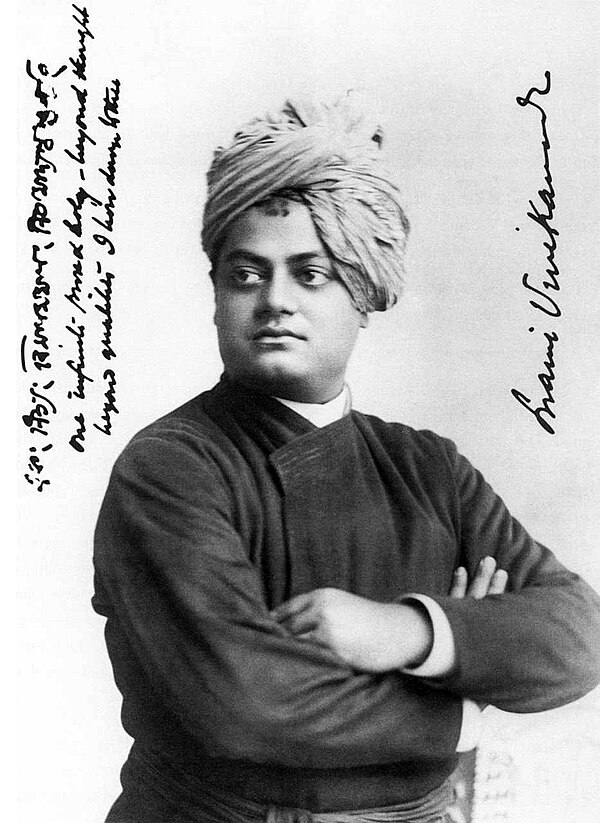
Embracing Inner Strength: The Wisdom of Swami Vivekananda
Swami Vivekananda's assertion that "the greatest sin is to think yourself weak" invites us to reconsider the narratives we construct about ourselves. This statement challenges the pervasive belief in our limitations, urging us to recognize the inherent strength that resides within each individual. In a world often dominated by self-doubt and external judgments, this teaching serves as a profound reminder of the potential that lies dormant in our consciousness, waiting to be awakened.
To think of oneself as weak is not merely a personal failing; it is a disservice to the very essence of our being. This perspective diminishes our capacity to engage with life fully, to pursue our passions, and to contribute meaningfully to the world around us. By internalizing the notion of weakness, we inadvertently create barriers that hinder our growth and limit our experiences. Thus, the stakes are high: embracing our strength is not only a personal journey but a collective call to awaken the latent power within humanity.
The image / the metaphor
The imagery in Vivekananda's quote evokes a sense of struggle against an internal adversary. The verb "think" suggests that our perception shapes our reality; it is a mental construct that can either empower or imprison us. The word "weak" conjures feelings of vulnerability and inadequacy, yet it is juxtaposed against the idea of strength, which implies resilience and potential. This contrast invites us to explore the duality of human experience, where the mind's limitations can be transcended through a shift in perspective.
In the speaker's tradition
Swami Vivekananda's teachings are deeply rooted in the rich tapestry of Hindu philosophy, where concepts such as dharma and prajna illuminate the path to self-realization. Dharma, the moral order of the universe, encourages individuals to align with their true purpose, while prajna, or wisdom, fosters an understanding of the self that transcends superficial limitations. In this context, to think oneself weak is to stray from one's dharma, neglecting the unique gifts and responsibilities that each person carries.
In the Bhagavad Gita, a foundational text of Hindu thought, the dialogue between Arjuna and Krishna underscores the importance of recognizing one's inherent strength. Krishna implores Arjuna to rise above his doubts and fears, reminding him of his divine nature and the duty he must fulfill. This narrative resonates with Vivekananda's message, illustrating that the journey toward self-empowerment is not only personal but also a sacred duty to the world. By embracing our strength, we honor the divine within us and fulfill our role in the cosmic order.
Living the teaching
Consider a modern scenario where an individual faces a daunting challenge at work, perhaps a presentation that could determine their career trajectory. In the lead-up to this moment, self-doubt may creep in, whispering that they are not competent enough or that their ideas lack merit. However, by internalizing Vivekananda's teaching, this person can shift their mindset, recognizing that their perceived weakness is a construct of fear rather than reality. Embracing their inner strength allows them to approach the situation with confidence, transforming anxiety into empowerment.
In a different context, imagine a relationship strained by misunderstandings and unspoken fears. One partner may feel inadequate, believing they are unworthy of love or incapable of fostering connection. By reflecting on Vivekananda's wisdom, they can begin to dismantle these limiting beliefs, recognizing that their worthiness is inherent and not contingent upon external validation. This shift not only enhances their self-perception but also enriches the relationship, as they engage more authentically and openly with their partner, fostering deeper intimacy and understanding.
A reflection
As we contemplate Swami Vivekananda's profound assertion, we are invited to examine the narratives we hold about ourselves. What stories of weakness do we perpetuate, and how do they shape our actions and interactions? In this moment of reflection, consider: how might your life transform if you fully embraced the strength that resides within you? Allow this question to guide your contemplation, illuminating the path toward self-discovery and empowerment.


Join the BrightStar Community
Stay connected with daily inspiration, event announcements, and community wisdom