The Harmony of Heart, Mind, and Deed
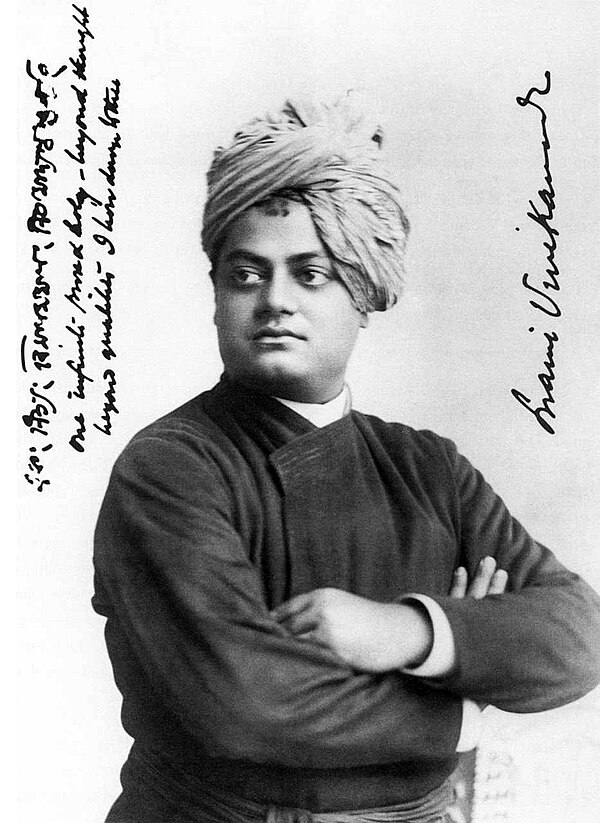
Swami Vivekananda's assertion that "What we want is to see the man who is harmoniously developed — great in heart, great in mind, great in deed" invites us to reflect on the profound integration of our emotional, intellectual, and practical selves. This call for wholeness is not merely an idealistic vision; it is a necessary foundation for a meaningful life. In a world often fragmented by competing desires and distractions, the quest for such harmony becomes a spiritual imperative, urging us to cultivate a balanced character that resonates with authenticity and purpose.
To be "harmoniously developed" suggests a dynamic interplay between our inner and outer worlds. It challenges us to transcend superficial achievements and instead strive for a deeper alignment of our values, thoughts, and actions. This holistic approach is essential not only for personal fulfillment but also for contributing positively to the collective human experience. In this light, Vivekananda's words serve as a guiding beacon, illuminating the path toward a life that embodies integrity and compassion.
The image / the metaphor
The imagery in Vivekananda's quote evokes a vision of a person whose development is not one-dimensional but rather a rich tapestry woven from the threads of heart, mind, and deed. The use of the word "great" emphasizes the aspirational nature of this development, suggesting that true greatness is found in the harmonious integration of these three aspects. Each element—heart, mind, and deed—represents a vital facet of our humanity, and the interplay among them creates a symphony of character that resonates with authenticity.
Diving deeper into the metaphor, we can see that the heart symbolizes our emotional intelligence and capacity for compassion, the mind embodies our intellectual pursuits and critical thinking, and the deeds represent our actions in the world. Together, they form a triad that is essential for a well-rounded individual. When one aspect is neglected, the harmony is disrupted, leading to a dissonance that can manifest in various forms, such as emotional turmoil, intellectual arrogance, or ineffective action. Thus, the pursuit of wholeness becomes a lifelong journey of self-discovery and growth.
In the speaker's tradition
Swami Vivekananda's teachings are deeply rooted in the Hindu tradition, where the concept of dharma plays a crucial role in understanding one's purpose and duty in life. Dharma encourages individuals to act in accordance with their true nature, which aligns closely with the idea of being harmoniously developed. This notion resonates with the principles of bhakti, or devotion, which emphasizes the importance of love and compassion as guiding forces in our actions. In this context, Vivekananda's vision of greatness is not just about personal achievement but about serving others and contributing to the greater good.
A relevant text that echoes this sentiment is the Bhagavad Gita, where Lord Krishna advises Arjuna to perform his duty without attachment to the results. This teaching underscores the importance of aligning one's actions with a higher purpose, which is a key aspect of being "great in deed." The Gita's emphasis on selfless action complements Vivekananda's call for a harmonious development of heart, mind, and deed, illustrating that true greatness is found in the service of others.
Living the teaching
Consider a modern scenario where this teaching can be applied: a workplace environment where collaboration and empathy are essential for success. In such a setting, an individual who embodies the qualities of heart, mind, and deed would not only excel in their tasks but also foster a supportive atmosphere for their colleagues. By actively listening, sharing knowledge, and taking initiative in team projects, they demonstrate a harmonious development that inspires others and contributes to a collective sense of purpose.
Another application of this teaching can be found in personal relationships, particularly during challenging moments. When conflicts arise, a person who is great in heart, mind, and deed approaches the situation with empathy, seeking to understand the other person's perspective while also articulating their own feelings clearly. This balanced approach not only resolves the conflict but also strengthens the bond between individuals, illustrating how the integration of emotional intelligence, thoughtful communication, and constructive action can lead to deeper connections and mutual growth.
A reflection
As we contemplate Vivekananda's vision of a harmoniously developed individual, we are invited to examine our own lives. Are we nurturing our hearts, minds, and actions in a way that fosters wholeness? In what areas do we feel dissonance, and how might we begin to cultivate greater harmony? Reflecting on these questions can guide us toward a more integrated existence, allowing us to embody the greatness that Vivekananda so eloquently envisioned.




Join the BrightStar Community
Stay connected with daily inspiration, event announcements, and community wisdom