Embracing the Safety of the Unknown
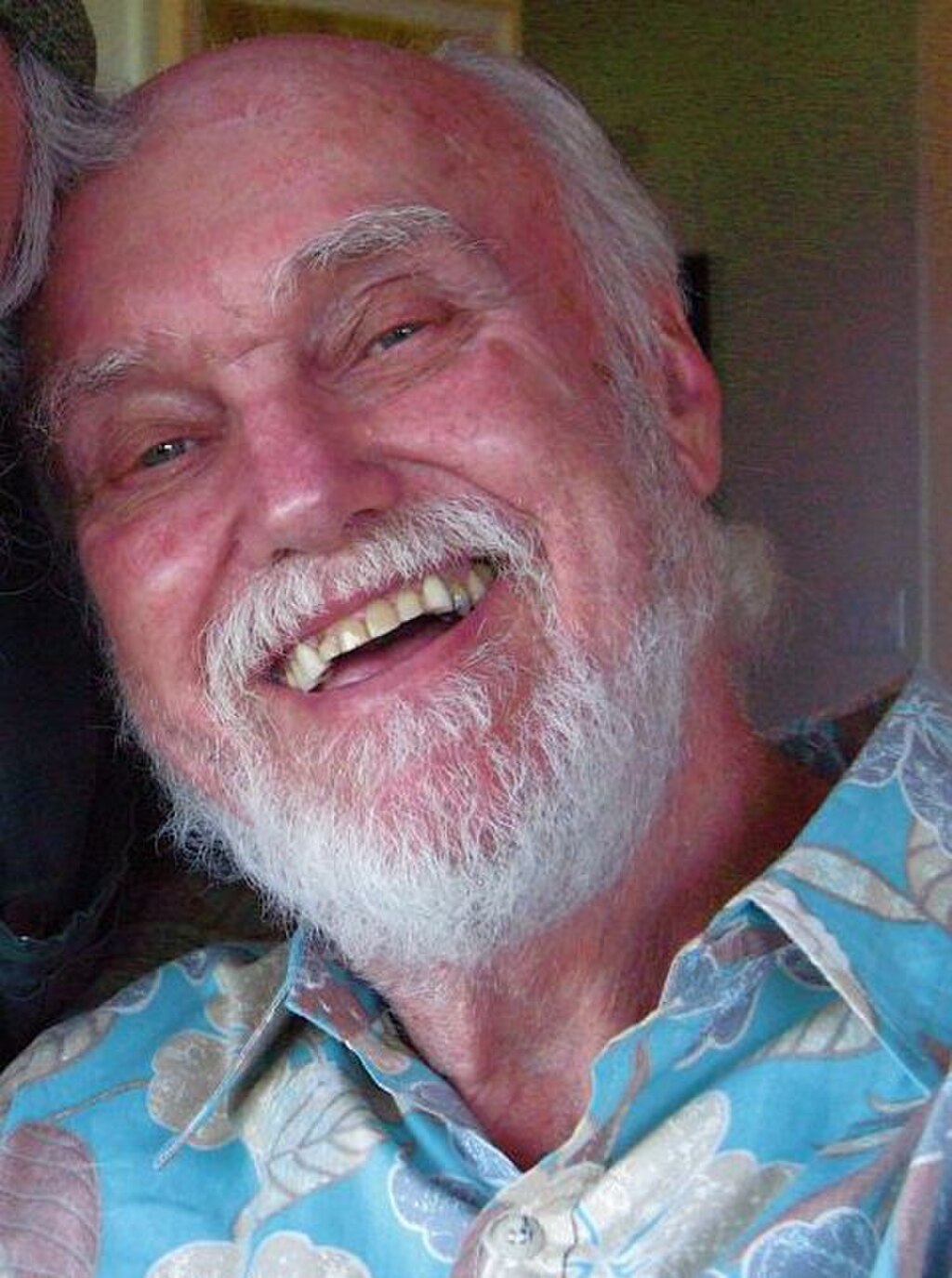
Ram Dass's assertion that "Death is absolutely safe" invites us to reconsider our relationship with mortality. This statement, seemingly paradoxical, challenges the deeply ingrained fear that often accompanies thoughts of death. By framing death as a safe passage rather than a perilous end, Ram Dass encourages us to cultivate a sense of trust in the natural cycle of life. This perspective is not merely comforting; it is transformative, urging us to live more fully in the present moment.
In a world where death is often shrouded in fear and misunderstanding, Ram Dass's words serve as a beacon of hope and reassurance. They prompt us to explore the deeper meanings of existence and the nature of our consciousness. By embracing the idea that death is safe, we are invited to let go of our attachments and fears, allowing us to engage more authentically with life. This teaching resonates with the core of many spiritual traditions, where the acceptance of death is seen as a gateway to profound liberation and understanding.
The image / the metaphor
At first glance, the phrase "Death is absolutely safe" evokes a sense of paradox. The imagery conjured by the word "death" typically elicits feelings of dread, loss, and uncertainty. However, the verb "is" suggests a state of being that transcends our conventional understanding of mortality. By asserting that death is safe, Ram Dass invites us to envision death not as a finality but as a transition, a return to a state of wholeness. This shift in perception can transform our experience of life, allowing us to approach the inevitable with a sense of peace rather than fear.
Diving deeper into the metaphor, we can see that safety in death implies a profound trust in the universe and its processes. It suggests that there is a continuity beyond our physical existence, a journey that is both natural and essential. This perspective aligns with the teachings of many spiritual traditions that emphasize the cyclical nature of life and death. By embracing this metaphor, we can begin to dismantle the barriers that our fears construct, allowing us to experience life more fully and authentically.
In the speaker's tradition
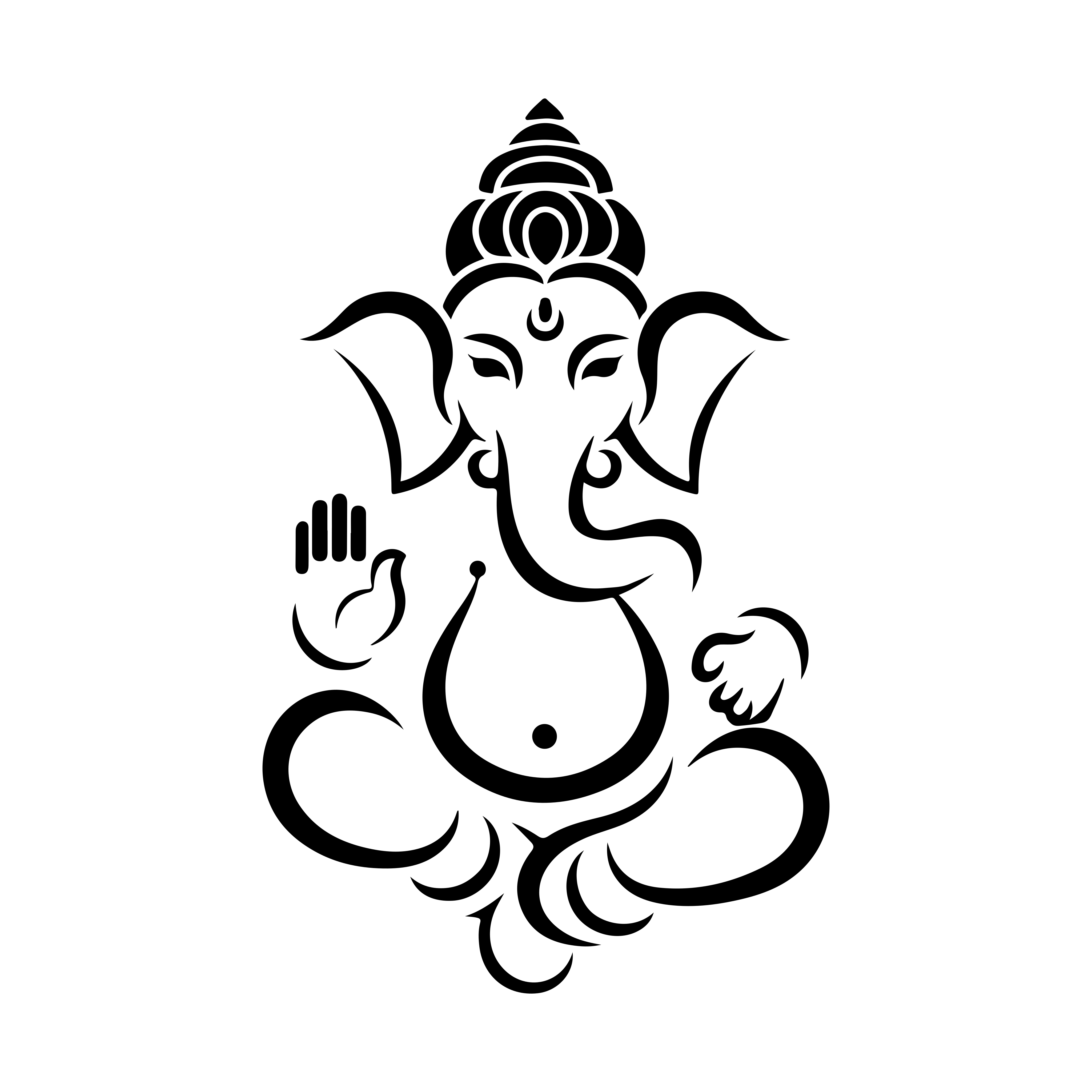
Ram Dass's insights are deeply rooted in the Hindu tradition, where concepts such as dharma and bhakti illuminate the path toward understanding life and death. In Hindu philosophy, death is not viewed as an end but as a transition to another state of being, reflecting the cyclical nature of existence. The notion of kenosis, or self-emptying, resonates with the idea of surrendering our fears and attachments, allowing us to embrace the safety that comes with acceptance. This perspective encourages a deep trust in the divine order of the universe, where every ending is also a new beginning.
In texts such as the Bhagavad Gita, the impermanence of the physical body is contrasted with the eternal nature of the soul. Krishna teaches Arjuna that the soul is neither born nor dies; it simply transitions from one form to another. This profound understanding aligns with Ram Dass's assertion, inviting us to see death as a safe passage rather than a fearful abyss. By grounding ourselves in these teachings, we can cultivate a sense of peace and acceptance regarding our mortality.
Living the teaching
Consider a modern scenario where this teaching might resonate: a loved one receiving a terminal diagnosis. In such moments, the fear of death can overshadow the beauty of life. However, by embracing the idea that "death is absolutely safe," families can shift their focus from despair to celebration. This perspective allows them to cherish the time they have left, fostering deeper connections and meaningful conversations. It transforms the experience from one of loss to one of gratitude and love, highlighting the preciousness of each moment shared.
This teaching can also be applied in our daily lives when we encounter challenges or transitions that evoke fear. For instance, facing a significant life change—such as a career shift or the end of a relationship—can feel daunting. By internalizing the notion that death, in its many forms, is safe, we can approach these changes with a sense of trust and openness. This mindset encourages us to embrace the unknown, recognizing that every ending paves the way for new beginnings, ultimately enriching our journey.
A reflection
As we contemplate Ram Dass's profound statement, we are invited to reflect on our own relationship with death and the unknown. How might our lives change if we truly believed that death is safe? This question encourages us to explore our fears and attachments, inviting us to cultivate a deeper trust in the natural flow of life. By engaging with this inquiry, we can begin to dismantle the barriers that hold us back, allowing us to live more fully and authentically in the present moment.