The Dance of Aspiration and Patience
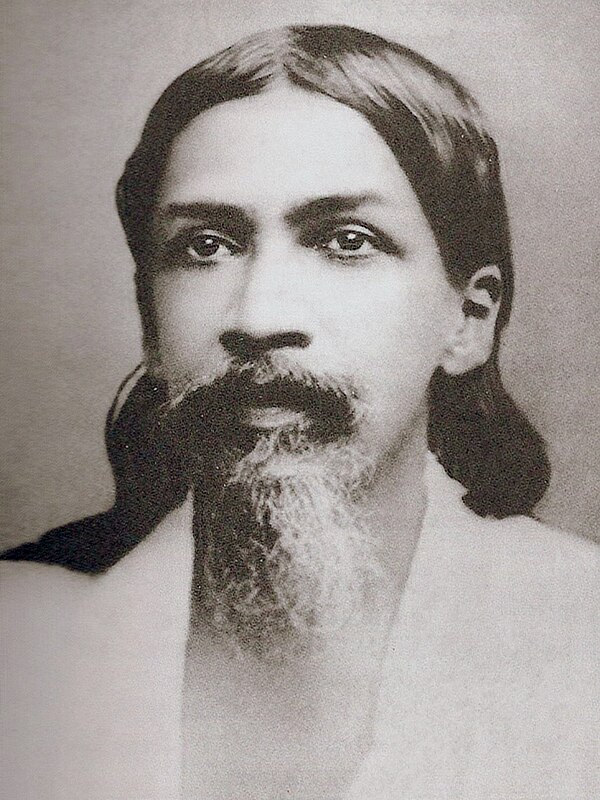
Sri Aurobindo's quote, "Aspire intensely, but without impatience and without revolt," invites us to engage in a profound exploration of our desires and ambitions. It speaks to the heart of the human experience, where the tension between yearning for growth and the necessity of patience often creates inner turmoil. In a world that values immediacy, this teaching challenges us to cultivate a deeper understanding of aspiration, urging us to pursue our goals with fervor while remaining anchored in a sense of calm acceptance.
To aspire intensely is to embrace the full spectrum of our potential, to reach for the heights of our being. Yet, the caution against impatience and revolt serves as a reminder that the journey of self-realization is not a race but a sacred unfolding. This duality—of passionate striving tempered by serene acceptance—forms the crux of a spiritual path that is both dynamic and grounded. In this light, Aurobindo’s words resonate as a call to harmonize our inner landscape, fostering a relationship with our aspirations that is both fervent and peaceful.
The image / the metaphor
The imagery in Aurobindo's quote evokes a sense of movement and stillness, a dance between the fire of aspiration and the cool waters of patience. The verb "aspire" suggests an upward motion, a reaching out towards something greater, while "without impatience and without revolt" introduces a counterbalance, a grounding force that prevents us from being swept away by our desires. This interplay creates a vivid picture of a seeker who is both active and contemplative, embodying the essence of spiritual practice.
Diving deeper into the metaphor, we can envision aspiration as a flame that illuminates our path, guiding us toward our highest selves. However, if this flame burns too fiercely, it can lead to frustration and discontent, manifesting as impatience or revolt against the natural rhythms of life. Thus, Aurobindo invites us to cultivate a flame that is steady and warm, one that inspires us to move forward while also allowing us to embrace the present moment with grace and acceptance.
In the speaker's tradition
Within the context of Sri Aurobindo's teachings, the concepts of dharma and bhakti play a crucial role in understanding the balance between aspiration and patience. Dharma, or one's righteous duty, encourages us to pursue our aspirations in alignment with our true nature and purpose. Bhakti, the path of devotion, reminds us that surrendering to a higher power can alleviate the burdens of impatience and revolt, allowing our aspirations to unfold organically in the divine timing of the universe.
Aurobindo's insights resonate with the teachings found in the Bhagavad Gita, where Lord Krishna advises Arjuna to perform his duty without attachment to the fruits of his actions. This principle of "Nishkama Karma," or selfless action, echoes Aurobindo's call for intense aspiration devoid of impatience. Both texts emphasize that true fulfillment arises not from the relentless pursuit of outcomes but from the purity of intention and the acceptance of the journey itself.
Living the teaching
Consider a modern scenario where a young professional is striving for a promotion at work. The desire for advancement can ignite a passionate drive, yet it may also lead to feelings of frustration when progress seems slow. By embodying Aurobindo's teaching, this individual can channel their ambition into focused effort while practicing patience, recognizing that growth often requires time and perseverance. This approach not only alleviates stress but also fosters a more profound sense of fulfillment in the journey itself.
In relationships, the teaching of aspiring without impatience can be particularly transformative. Imagine a couple navigating the complexities of their partnership; one partner may yearn for deeper intimacy while the other feels overwhelmed. By applying Aurobindo's wisdom, they can aspire for connection while allowing space for each other's pace and comfort. This balance nurtures a loving environment where both partners feel valued and understood, ultimately enriching their bond.
A reflection
As we reflect on Aurobindo's profound words, we might ask ourselves: How can I cultivate a deeper sense of patience in my aspirations? This question invites us to explore the ways in which we can honor our desires while remaining grounded in the present moment. By contemplating this balance, we can begin to transform our relationship with our ambitions, allowing them to unfold in a manner that is both intense and serene.