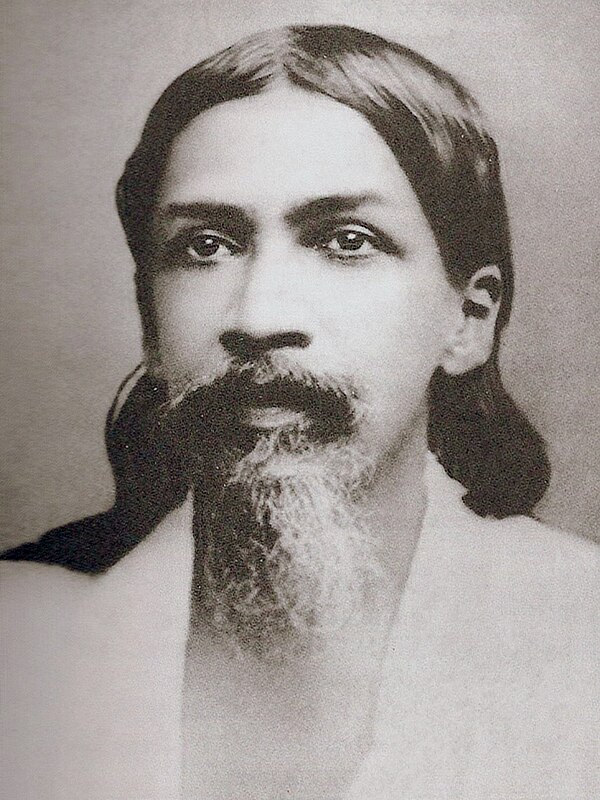
The Ransom of Delight: Embracing Suffering as a Pathway to Joy
In the poignant words of Sri Aurobindo, "Earth's pains were the ransom of its prisoned delight," we find a profound meditation on the intricate relationship between suffering and joy. This quote invites us to reflect on the notion that the trials and tribulations of life are not merely burdens to bear, but rather essential components of a greater tapestry that ultimately leads to the experience of joy. Understanding this dynamic is crucial, as it challenges our instinctive aversion to pain and encourages us to embrace our struggles as transformative opportunities.
As we delve deeper into this quote, we uncover layers of meaning that resonate with the human experience. The idea that our suffering serves as a ransom suggests that joy is not freely given; it is earned through the trials we face. This perspective compels us to reconsider our relationship with pain, urging us to see it not as an enemy, but as a necessary passage toward the liberation of our inner delight. In a world that often prioritizes comfort and ease, Aurobindo's words serve as a reminder of the deeper truths that lie beneath the surface of our experiences.
The image / the metaphor
At first glance, the imagery in Aurobindo's quote evokes a sense of duality: the stark contrast between "Earth's pains" and "prisoned delight." The use of the word "ransom" introduces a transactional quality to suffering, suggesting that the anguish we endure is a price we pay for the joy that awaits us. This metaphor paints a vivid picture of joy as something precious, locked away and guarded by the trials of life. The verbs chosen—"pains" and "prisoned"—convey a sense of struggle and confinement, emphasizing that joy is not easily accessible but rather something we must work to attain.
Diving deeper into the metaphor, we can see that the concept of ransom implies a form of redemption. Just as a captive must endure hardship to regain freedom, we too must navigate the complexities of our emotional and spiritual landscapes to unlock the joy that resides within us. This notion resonates with the idea of transformation, where suffering becomes a catalyst for growth and awakening. Aurobindo's words invite us to embrace our challenges as integral to our journey, suggesting that through the crucible of pain, we can emerge into a fuller, richer experience of life.
In the speaker's tradition
To fully appreciate Aurobindo's insight, we must situate it within the broader context of Hindu philosophy, particularly the concepts of dharma and the transformative power of suffering. In Hindu thought, dharma refers to the moral and ethical duties that guide an individual's life, often requiring one to confront challenges and adversities. This aligns with the idea that suffering is not merely a burden but a necessary aspect of fulfilling one's dharma, leading to spiritual growth and the eventual realization of joy. The notion of kenosis, or self-emptying, also parallels Aurobindo's perspective, as it emphasizes the importance of relinquishing attachments to experience deeper states of being.
Furthermore, Aurobindo's exploration of suffering and joy can be likened to the Buddhist concept of sunyata, or emptiness, which teaches that suffering is an inherent part of existence. Just as the Buddha emphasized the importance of understanding suffering to attain enlightenment, Aurobindo suggests that our pains are essential to unlocking the joy that lies within. In his epic poem "Savitri," Aurobindo weaves these themes together, illustrating the transformative journey of the soul as it navigates the complexities of existence, ultimately leading to a profound realization of love and delight.
Living the teaching
Consider a modern scenario where this teaching resonates: a person grappling with the loss of a loved one. Initially, the pain of grief feels insurmountable, a heavy burden that clouds the heart and mind. However, as time passes, the individual begins to reflect on the joy that the relationship brought into their life. Through the lens of Aurobindo's quote, the suffering of loss becomes a necessary process, allowing the individual to cherish the memories and the love shared, ultimately leading to a deeper appreciation of life itself. This transformation illustrates how embracing our pain can pave the way for a more profound experience of joy.
In another context, consider the dynamics of a challenging relationship. When conflicts arise, it is easy to become entrenched in feelings of frustration and resentment. Yet, if we approach these difficulties with the understanding that they are opportunities for growth, we can begin to see them as essential to the development of deeper connections. By navigating the discomfort and engaging in open communication, we can transform our struggles into a source of strength, ultimately enriching our relationships and allowing joy to flourish amidst the challenges.
A reflection
As we contemplate Aurobindo's profound assertion, we are invited to reflect on our own lives: How do we perceive the relationship between our suffering and our joy? Are we willing to embrace the pains we encounter as necessary steps toward unlocking the delight that lies within us? In this moment of introspection, let us consider the ways in which our struggles can serve as a pathway to deeper understanding and appreciation of the joys that life offers. What insights can we glean from our experiences of pain that might illuminate our journey toward joy?