The Steady Heart: Cultivating Equanimity in a Chaotic World
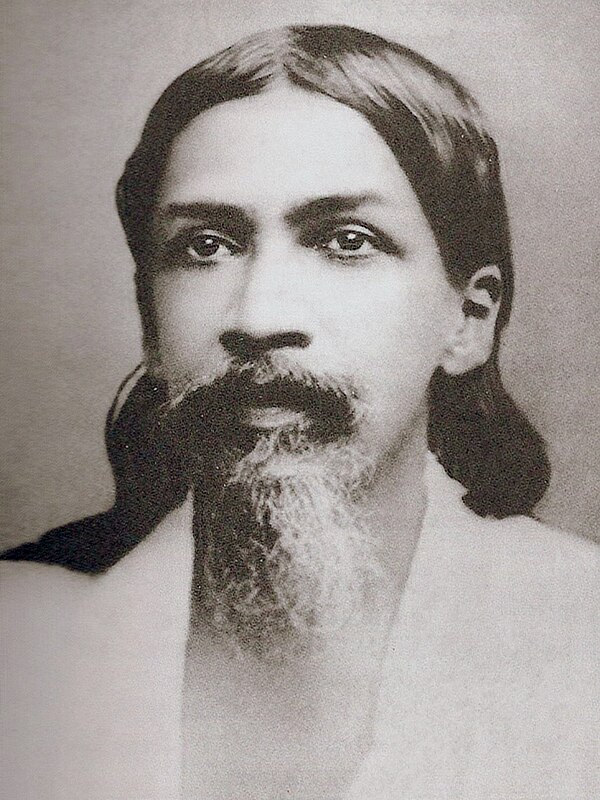
In the words of Sri Aurobindo, "It is necessary to develop a calm and steady will, an even balanced equality." This profound statement invites us to reflect on the importance of cultivating inner stability amidst the turbulence of life. In a world often marked by chaos and uncertainty, the ability to maintain a balanced state of being is not merely a luxury; it is essential for our spiritual and emotional well-being. The cultivation of a steady will and equanimity serves as a foundation for navigating the complexities of existence with grace and purpose.
As we delve deeper into this teaching, we recognize that the development of a calm will is not a passive endeavor but an active engagement with our inner landscape. It requires us to confront our fears, desires, and attachments, transforming them into a source of strength rather than distraction. This journey towards equanimity is a profound act of self-discovery, inviting us to embrace the fullness of our humanity while striving for a higher state of consciousness. In essence, Aurobindo's words challenge us to cultivate a resilient spirit that can withstand the storms of life without losing its essence.
The image / the metaphor
The imagery in Aurobindo's quote evokes a sense of balance and steadiness, akin to a tree firmly rooted in the ground, swaying gently in the wind yet unyielding to its force. The phrase "calm and steady will" suggests an inner strength that is not easily shaken, while "even balanced equality" speaks to a state of being that transcends the fluctuations of external circumstances. This metaphor of balance is crucial; it implies that true strength lies not in rigid control but in the ability to adapt and remain centered.
Diving deeper into the metaphor, we can envision the steady will as a guiding light, illuminating our path even in the darkest of times. It is a reminder that our inner landscape can be cultivated to reflect a serene and unwavering presence. This presence allows us to respond to life's challenges with clarity and compassion, rather than reacting impulsively out of fear or desire. The cultivation of such a will is akin to nurturing a garden; it requires patience, care, and consistent effort to flourish.
In the speaker's tradition
Situated within the rich tapestry of Hindu philosophy, Aurobindo's teaching resonates with concepts such as dharma, the moral order that guides our actions, and prajna, the wisdom that arises from deep understanding. The cultivation of a calm and steady will aligns with the pursuit of dharma, as it empowers individuals to act in accordance with their higher purpose rather than being swayed by transient emotions. Furthermore, the notion of equanimity is echoed in the teachings of the Bhagavad Gita, where Krishna advises Arjuna to maintain a balanced mind in the face of dualities such as pleasure and pain, success and failure.
In the context of Aurobindo's writings, we can draw parallels to the concept of kenosis, or self-emptying, which invites us to release our attachments and ego-driven desires. This self-emptying allows for a deeper connection to the divine and a more profound understanding of our interconnectedness with all beings. Aurobindo's emphasis on developing a steady will can be seen as a pathway to this state of kenosis, where we transcend our limited selves and align with a greater cosmic purpose.
Living the teaching
Consider a modern scenario where this teaching finds relevance: a workplace filled with stress and competition. In such an environment, the pressure to perform can lead to anxiety and a reactive mindset. By embodying Aurobindo's call for a calm and steady will, one can approach challenges with a sense of equanimity, making decisions grounded in clarity rather than fear. This shift not only enhances personal well-being but also fosters a more harmonious workplace culture, where collaboration and support replace rivalry and discord.
Another application of this teaching can be found in personal relationships, especially during conflicts. When faced with disagreements, the ability to maintain an even balanced equality allows us to engage in constructive dialogue rather than falling into defensive or aggressive patterns. By cultivating a steady will, we create space for empathy and understanding, transforming potential discord into opportunities for growth and connection. This practice of equanimity in relationships not only deepens our bonds but also reflects the essence of Aurobindo's wisdom in our daily lives.
A reflection
As we contemplate Aurobindo's profound insight, we are invited to ask ourselves: How can I cultivate a calm and steady will in my own life? This question encourages us to explore the areas where we may feel unbalanced or reactive, prompting a journey of self-inquiry and growth. By embracing this teaching, we open ourselves to the possibility of living with greater equanimity, allowing our inner light to guide us through the complexities of existence.