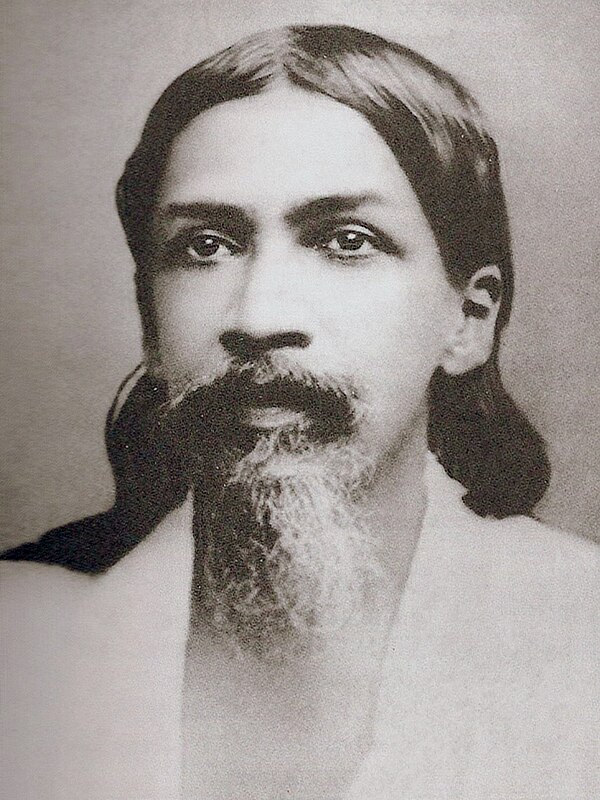
The Symphony of Existence: Love, Joy, and the Infinite
Sri Aurobindo's profound assertion that "Love is the keynote, joy is the music, knowledge is the performer, the Infinite all is the composer and the audience" invites us to explore the intricate interplay of these elements in our lives. In this metaphorical symphony, love serves as the foundational note that resonates through our existence, while joy embodies the vibrant expression of that love. Knowledge, as the performer, brings forth the nuances of our experiences, and the Infinite encompasses both the source and the recipient of this grand orchestration. Understanding this relationship is essential for cultivating a life rich in meaning and connection.
As we delve deeper into this quote, we recognize that it encapsulates a holistic vision of life where every aspect is interwoven. Love, joy, and knowledge are not isolated entities; rather, they are interconnected threads that weave the fabric of our spiritual journey. The Infinite, representing the ultimate reality, serves as both the creator and the observer of this dynamic interplay. By embracing these concepts, we can cultivate a deeper awareness of our place within the cosmos and the profound relationships we share with others.
The image / the metaphor
The imagery in Sri Aurobindo's quote evokes a rich tapestry of sound and emotion. Love, described as the keynote, suggests a fundamental truth that underlies all existence, much like a musical note that sets the tone for a composition. Joy, as the music, implies a fluid and dynamic expression of that love, resonating through our lives in various forms. Knowledge, the performer, embodies the active engagement with these elements, bringing them to life through our experiences and insights. The Infinite, as both composer and audience, highlights the divine nature of this interplay, reminding us that we are part of a larger cosmic symphony.
Diving deeper into the metaphor, we can see that each element plays a crucial role in the orchestration of our lives. Love as the keynote establishes a foundation of connection and compassion, while joy as the music invites us to celebrate and express that love in myriad ways. Knowledge, the performer, emphasizes the importance of learning and growth, suggesting that our understanding of love and joy evolves over time. Finally, the Infinite, as the composer and audience, invites us to recognize the divine presence in every note of our existence, urging us to participate fully in this grand performance.
In the speaker's tradition
Sri Aurobindo's insights are deeply rooted in the Hindu tradition, where concepts such as dharma, bhakti, and prajna play significant roles in shaping our understanding of existence. Dharma, or righteous duty, aligns with the idea of love as the keynote, guiding us to act with compassion and integrity. Bhakti, the path of devotion, resonates with the joy that arises from a loving relationship with the divine, while prajna, or wisdom, embodies the knowledge that informs our actions and deepens our understanding of the Infinite. Together, these concepts create a framework for living a life that is harmonious and fulfilling.
In the context of Aurobindo's teachings, we can draw parallels to the Bhagavad Gita, where Krishna imparts wisdom to Arjuna about the nature of duty, love, and the divine. The Gita emphasizes the importance of acting with love and devotion, suggesting that true knowledge arises from a deep connection to the Infinite. This interplay of love, joy, and knowledge is echoed throughout Aurobindo's work, inviting us to engage with these principles in our own lives.
Living the teaching
Consider a modern scenario where this teaching might resonate: a workplace environment where collaboration and creativity are essential. In such a setting, love manifests as mutual respect and support among colleagues, creating a foundation for joy to flourish. When team members approach their tasks with a sense of love for their work and each other, the atmosphere becomes vibrant and productive. Knowledge, in this case, is the shared expertise and insights that individuals bring to the table, enhancing the collective experience. The Infinite, as the overarching purpose of the organization, inspires everyone to contribute to a greater vision.
Another application of this teaching can be found in personal relationships, particularly during challenging moments. When conflicts arise, approaching the situation with love as the keynote allows for open communication and understanding. Joy can emerge even in difficult times when both parties are willing to listen and learn from one another. Knowledge, then, becomes the tool that helps navigate these complexities, fostering growth and deeper connection. By recognizing the Infinite in each other, we can transform our interactions into opportunities for healing and unity.
A reflection
As we contemplate Sri Aurobindo's quote, we are invited to reflect on our own lives and the roles that love, joy, and knowledge play in our experiences. How can we cultivate a deeper sense of love in our relationships, allowing it to be the keynote that guides our actions? In what ways can we embrace joy as a vital expression of that love, even amidst challenges? These questions encourage us to engage with the symphony of existence, inviting us to become active participants in the divine orchestration of our lives.