Embracing Divine Freedom: The Essence of Oneness
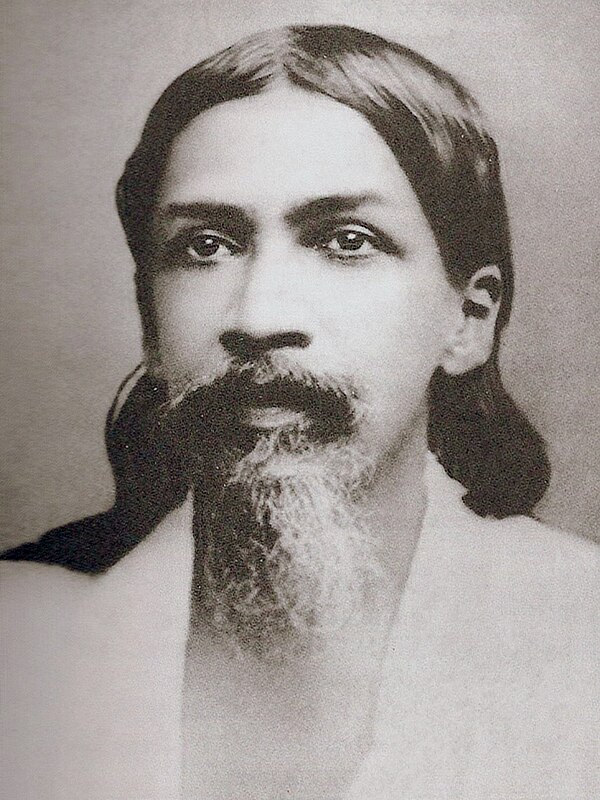
Sri Aurobindo's assertion that "the supreme spirit is bound by no law and the man who has realized his oneness with God can have no law but the divine will" invites us to explore the profound relationship between freedom and divinity. In essence, he suggests that true liberation arises not from adherence to external rules but from an intimate alignment with the divine will. This perspective challenges conventional notions of morality and law, urging us to seek a deeper understanding of our spiritual nature and the inherent freedom that comes with it.
As we delve into this quote, we recognize that it speaks to the heart of spiritual evolution. The realization of oneness with the divine is not merely an abstract concept but a transformative experience that reshapes our understanding of existence. In a world often governed by rigid structures and societal expectations, Aurobindo's words remind us that the ultimate law is not one imposed from without but one that emerges from within, rooted in our connection to the divine source.
The image / the metaphor
The imagery in Aurobindo's quote evokes a sense of boundlessness and liberation. The "supreme spirit" suggests an infinite, transcendent reality that exists beyond the constraints of human-made laws. The phrase "bound by no law" conjures a vision of freedom that is not chaotic but rather aligned with a higher order. This divine will, as Aurobindo implies, is not arbitrary; it is the guiding force that harmonizes the universe and leads us toward our true purpose.
Diving deeper into the metaphor, we can see that the "man who has realized his oneness with God" embodies a state of consciousness that transcends duality. This realization is akin to awakening from a dream, where the boundaries of self dissolve, revealing the interconnectedness of all beings. In this state, the individual no longer perceives themselves as separate from the divine but as an integral part of the cosmic whole, where the divine will becomes their own. This profound shift in perception transforms the very nature of freedom, from a mere absence of constraints to an active participation in the divine flow of existence.
In the speaker's tradition
Sri Aurobindo's insights are deeply rooted in the Hindu tradition, where concepts such as dharma and bhakti play pivotal roles. Dharma, often understood as duty or righteousness, can sometimes appear as a set of external laws. However, Aurobindo invites us to reconsider dharma as an expression of the divine will that arises from our inner connection to the supreme spirit. This perspective aligns with the idea of kenosis, or self-emptying, where one surrenders their ego to embrace a higher purpose, ultimately leading to a more profound freedom.
In the context of Aurobindo's teachings, we can draw parallels with the Bhagavad Gita, where Krishna imparts wisdom to Arjuna about the nature of duty and the importance of aligning one's actions with divine will. The Gita emphasizes that true action arises from a place of inner clarity and connection to the divine, rather than from fear of punishment or desire for reward. This alignment with the divine will is what allows one to transcend the limitations of conventional morality and experience a deeper sense of freedom.
Living the teaching
Consider a modern scenario where an individual faces a moral dilemma at work, torn between the pressure to conform to corporate policies and the desire to act in alignment with their values. In this situation, Aurobindo's teaching encourages the individual to seek a deeper connection with their inner truth and the divine will. By doing so, they may find the courage to advocate for ethical practices that reflect their understanding of justice and compassion, ultimately leading to a more authentic expression of their purpose.
Another application of this teaching can be found in personal relationships, particularly during conflicts. When faced with a disagreement, one might feel compelled to adhere to societal norms of winning an argument or maintaining pride. However, by embracing the essence of oneness with the divine, individuals can approach the situation with empathy and understanding, prioritizing connection over ego. This shift not only fosters deeper relationships but also cultivates a sense of peace that arises from aligning with divine will rather than clinging to personal agendas.
A reflection
As we contemplate Aurobindo's profound words, we are invited to reflect on our own lives: How often do we find ourselves bound by external expectations or societal norms? In what ways can we cultivate a deeper connection with the divine will that resides within us? This inquiry encourages us to explore the nature of our freedom and the transformative power of aligning our actions with a higher purpose, ultimately leading us toward a more authentic and liberated existence.