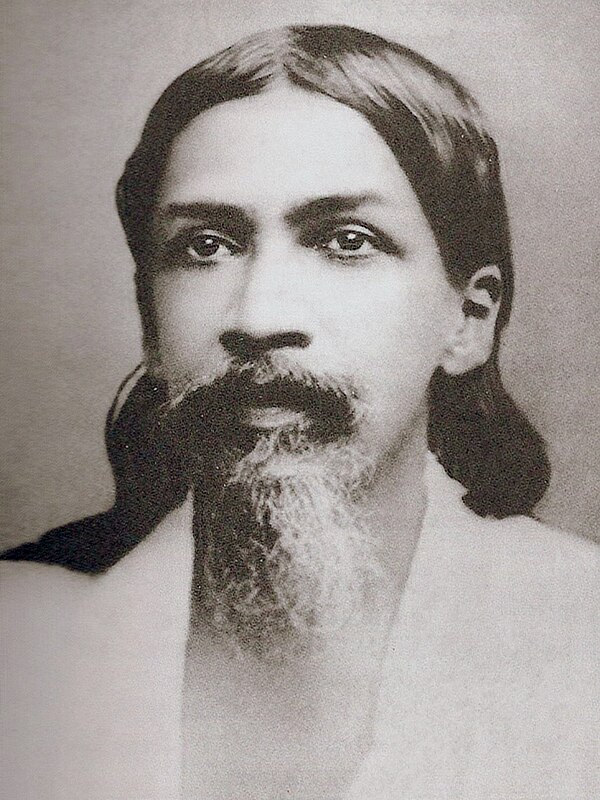
The Dance of Unity and Diversity
In the profound words of Sri Aurobindo, "We must accept the many-sidedness of the manifestation even while we assert the unity of the Manifested." This statement invites us to embrace the complexity and diversity of existence while recognizing an underlying unity that connects all manifestations of life. The stakes of this realization are high; it challenges our often dualistic perceptions and compels us to see beyond surface differences to the deeper essence that binds us together. In a world increasingly marked by division, this teaching offers a pathway to understanding and compassion.
To accept the many-sidedness of manifestation is to acknowledge the rich tapestry of life, where each thread contributes to the whole. It is an invitation to explore the paradox of individuality and universality, where the unique expressions of life do not detract from, but rather enhance, the singular essence of existence. This perspective encourages us to cultivate a sense of belonging that transcends superficial distinctions, fostering a deeper connection with ourselves, others, and the cosmos. In this light, Sri Aurobindo's words resonate as a call to embrace both the complexity and the simplicity of our shared reality.
The image / the metaphor
The imagery in Sri Aurobindo's quote evokes a dynamic interplay between unity and diversity. The term "many-sidedness" suggests a multifaceted reality, rich with variations and expressions, while "the unity of the Manifested" points to an underlying coherence that holds everything together. This duality is not merely an abstract concept; it is a lived experience that invites us to engage with the world in a more holistic manner. The verbs chosen—"accept" and "assert"—imply an active participation in this realization, urging us to embrace the complexity of life while confidently affirming the unity that exists beneath it.
Diving deeper into the metaphor, we can envision life as a grand symphony, where each instrument plays its unique part, contributing to a harmonious whole. The acceptance of many-sidedness is akin to recognizing the distinct sounds of each instrument, while the assertion of unity reflects the conductor's role in guiding the orchestra towards a cohesive performance. This metaphor not only illustrates the beauty of diversity but also highlights the importance of recognizing the interconnectedness of all beings. In this light, our individual experiences and expressions become vital notes in the larger composition of existence.
In the speaker's tradition
Sri Aurobindo's insights are deeply rooted in the Hindu philosophical tradition, where concepts such as dharma, the moral order of the universe, and the idea of Brahman, the ultimate reality, play crucial roles. The acceptance of many-sidedness aligns with the notion of "sunyata," or emptiness, which suggests that all forms are transient and interconnected. In this context, the assertion of unity can be likened to the concept of "fana," or annihilation of the self in the divine, where individual identities dissolve into the oneness of existence. Such teachings encourage a profound understanding of our place within the cosmos, fostering a sense of responsibility towards all beings.
In "The Life Divine," Aurobindo elaborates on the interplay between the individual and the universal, emphasizing that true knowledge arises from the realization of this unity amidst diversity. He draws upon the teachings of the Upanishads, which speak of the interconnectedness of all life and the divine essence that permeates everything. This philosophical framework invites us to explore our own experiences of unity and diversity, encouraging a contemplative approach to understanding our existence and our relationships with others.
Living the teaching
Consider a modern scenario where this teaching can be applied: in a workplace filled with diverse perspectives and backgrounds. Each individual brings their unique skills and viewpoints, contributing to a richer collective experience. By embracing the many-sidedness of their colleagues, one can foster an environment of collaboration and innovation. Recognizing that these differences are not obstacles but rather opportunities for growth can transform the workplace into a vibrant community where unity is celebrated amidst diversity.
In personal relationships, this teaching can also find profound application. Imagine navigating a conflict with a loved one, where differing opinions seem to create a chasm between you. By accepting the many-sidedness of each other's perspectives, you can begin to see the underlying unity of your shared values and desires. This approach not only deepens understanding but also cultivates empathy, allowing for healing and connection. In daily practice, this might manifest as a commitment to active listening, where one seeks to understand the other’s viewpoint while holding space for one’s own truth.
A reflection
As we contemplate Sri Aurobindo's profound assertion, we are invited to reflect on our own lives: How do we navigate the tension between unity and diversity in our relationships and communities? In what ways can we cultivate a deeper acceptance of the many-sidedness of existence while affirming the unity that connects us all? This question encourages a contemplative exploration of our experiences, inviting us to embrace the complexity of life with an open heart and a discerning mind.