Unveiling the Divine Within: The Journey of Self-Realization
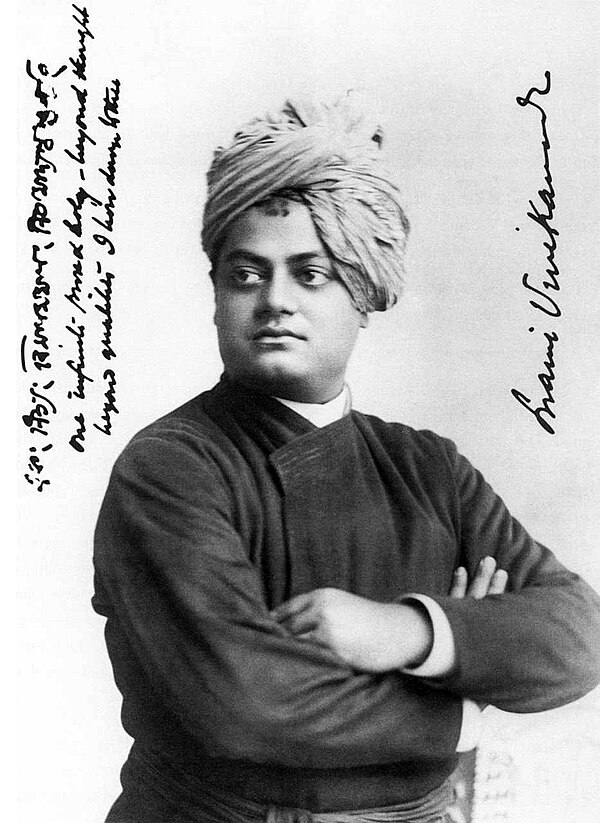
Swami Vivekananda's assertion that "each soul is potentially divine" invites us to explore the profound depths of our inner selves. He emphasizes that the essence of our existence is not merely to navigate the external world but to awaken and manifest the divinity that resides within us. This journey of self-realization is not just a lofty ideal; it is a practical endeavor that requires us to master both our internal landscapes and the external circumstances that shape our lives. Understanding this quote is crucial, as it lays the foundation for a purposeful life rooted in spiritual awakening.
In a world often dominated by material pursuits and external validations, Vivekananda's words serve as a reminder of our intrinsic worth and potential. The call to "control nature, external and internal" suggests that true mastery involves a harmonious relationship with both the outer world and our inner thoughts and emotions. This duality of control is not about domination but rather about understanding and aligning ourselves with the natural rhythms of life. By doing so, we can begin to express our inherent divinity, transforming our lives and the lives of those around us.
The image / the metaphor
The imagery in Vivekananda's quote evokes a sense of latent power waiting to be awakened. The phrase "each soul is potentially divine" conjures the image of a seed, rich with potential, waiting for the right conditions to sprout and flourish. The verbs "manifest" and "controlling" suggest an active engagement with our nature, both internal and external. This engagement is not passive; it requires effort, intention, and a deep understanding of oneself and the world. The felt sense of this quote is one of empowerment, urging us to take responsibility for our spiritual journey.
In the speaker's tradition
Swami Vivekananda's teachings are deeply rooted in the Hindu tradition, particularly in the philosophy of Advaita Vedanta, which posits that the individual soul (Atman) is fundamentally one with the universal consciousness (Brahman). This idea of inherent divinity aligns with concepts such as dharma, the moral order that guides our actions, and bhakti, the devotion that connects us to the divine. The journey of self-realization is thus seen as a sacred duty, a path that requires both self-discipline and a heartfelt connection to the divine.
In his seminal work, "Raja Yoga," Vivekananda elaborates on the practices that facilitate this journey, including meditation and self-inquiry. He draws upon the ancient texts of the Upanishads, which emphasize the importance of understanding the self as a microcosm of the universe. This connection between the individual and the cosmos underscores the idea that by controlling our inner nature, we can influence the external world, ultimately leading to a harmonious existence that reflects our divine essence.
Living the teaching
Consider a modern scenario where an individual faces overwhelming stress at work. The pressures of deadlines and expectations can often lead to a sense of disconnection from one's true self. By applying Vivekananda's teaching, this person might begin to practice mindfulness and meditation, creating space to reflect on their internal state. Through this practice, they can learn to manage their reactions to external pressures, cultivating a sense of calm and clarity that allows their inherent divinity to shine through, even in challenging circumstances.
In relationships, the teaching of manifesting one's divinity can be particularly transformative. Imagine a situation where misunderstandings arise between partners. By embracing the idea of controlling one's internal nature, each person can take a step back to reflect on their feelings and responses. This self-awareness fosters empathy and compassion, allowing for open communication and deeper connections. In this way, the practice of recognizing and manifesting one's divine nature can lead to healthier, more fulfilling relationships that reflect the beauty of our shared humanity.
A reflection
As we contemplate Vivekananda's profound insight, we are invited to ask ourselves: How can I actively cultivate the divinity within me in my daily life? This question encourages us to explore the practices and attitudes that align with our true nature, prompting a journey of self-discovery and growth. In seeking to manifest our inner divinity, we not only enrich our own lives but also contribute to the collective awakening of humanity.