Embracing the Hidden Threads of Existence
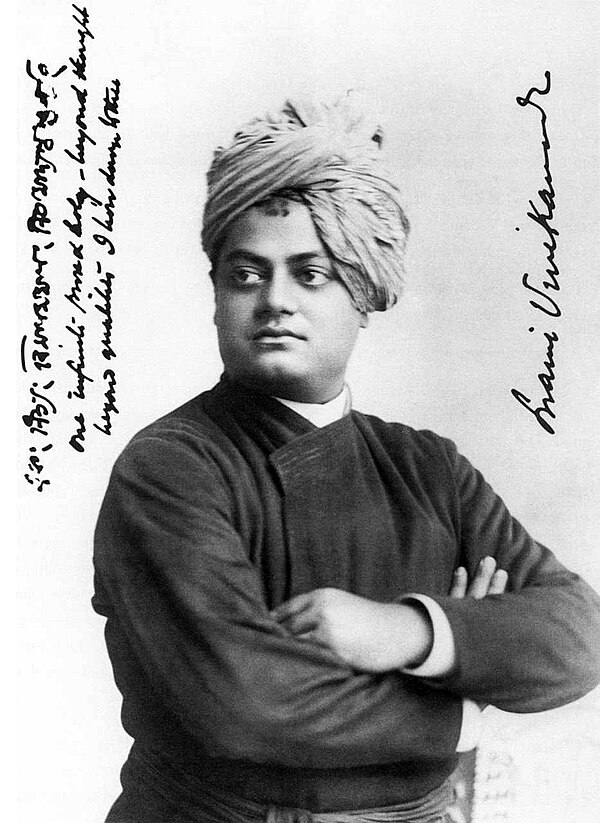
Swami Vivekananda's assertion, "First, believe in the world — that there is meaning behind everything," invites us to cultivate a profound faith in the inherent significance of our experiences. This call to belief is not merely an encouragement to adopt a positive outlook; it is a profound invitation to engage with the world as a tapestry woven with purpose and intention. In a time when disillusionment and skepticism often cloud our perceptions, this perspective becomes essential for nurturing a life rich in understanding and connection.
To believe in the world as meaningful is to recognize that every event, every encounter, and every moment carries a depth that transcends the surface. This belief acts as a lens through which we can interpret our lives, transforming mundane experiences into opportunities for growth and insight. By embracing this perspective, we open ourselves to the possibility of discovering the divine in the ordinary, allowing us to navigate the complexities of existence with grace and wisdom.
The image / the metaphor
At the heart of Vivekananda's quote lies a vivid imagery that evokes the interconnectedness of all things. The verb "believe" suggests an active engagement, a conscious choice to perceive the world through a lens of meaning rather than chaos. This belief is not passive; it requires a willingness to look beyond the immediate and the obvious, to seek out the threads that bind our experiences together. The phrase "meaning behind everything" hints at a deeper reality, one that invites us to explore the layers of existence that often remain hidden from view.
Diving deeper into the metaphor, we can see that this belief in meaning is akin to the practice of seeing the divine in all aspects of life, a central tenet in many spiritual traditions. It encourages us to recognize that even in moments of suffering or confusion, there exists a purpose that can lead to transformation. This perspective aligns with the idea of dharma, where each individual's path is imbued with significance, urging us to fulfill our unique role in the grand tapestry of existence.
In the speaker's tradition
Swami Vivekananda's teachings are deeply rooted in the Hindu tradition, where the concept of meaning is intricately linked to the notions of dharma and karma. Dharma, often translated as duty or righteousness, suggests that every action we take is part of a larger cosmic order, imbued with purpose. This understanding encourages us to approach life with a sense of responsibility and reverence, recognizing that our choices contribute to the unfolding of a greater narrative. In this light, Vivekananda's call to believe in the world becomes a call to align ourselves with our dharma, trusting that our actions resonate within the fabric of existence.
Moreover, Vivekananda's emphasis on meaning resonates with the teachings found in the Bhagavad Gita, where the protagonist, Arjuna, grapples with his duty amidst confusion and despair. The Gita teaches us that even in moments of uncertainty, there is a higher purpose guiding our actions. This alignment with a greater meaning not only empowers us but also fosters a sense of connection to the divine, reinforcing the idea that our lives are part of a larger, meaningful whole.
Living the teaching
Consider a modern scenario where this teaching can be applied: a person facing a challenging job loss. In the immediate aftermath, it is easy to succumb to feelings of despair and confusion, viewing the situation as a random misfortune. However, by embracing Vivekananda's teaching, one might begin to see this experience as an opportunity for growth and self-discovery. Perhaps this moment of loss is a catalyst for exploring new passions or pursuing a long-held dream, revealing a deeper meaning that was previously obscured by the routine of daily life.
In relationships, this teaching can also find profound application. Imagine a conflict arising between two friends, leading to hurt feelings and misunderstandings. By choosing to believe in the underlying meaning of their connection, both individuals can approach the situation with empathy and openness. Instead of viewing the conflict as a negative event, they might recognize it as a chance to deepen their understanding of one another, ultimately strengthening their bond. This shift in perspective transforms the experience from one of division to one of growth and reconciliation.
A reflection
As we contemplate Vivekananda's invitation to believe in the world and its inherent meaning, we are called to reflect on our own perceptions of life. What experiences have we encountered that initially seemed meaningless or chaotic, yet later revealed a deeper significance? In what ways can we cultivate a belief in the meaningfulness of our daily lives, even amidst challenges? Allowing these questions to resonate within us may lead to a richer, more connected existence, where we actively seek the threads of meaning woven throughout our journey.