The Heart's Wisdom: Navigating the Conflict Between Emotion and Intellect
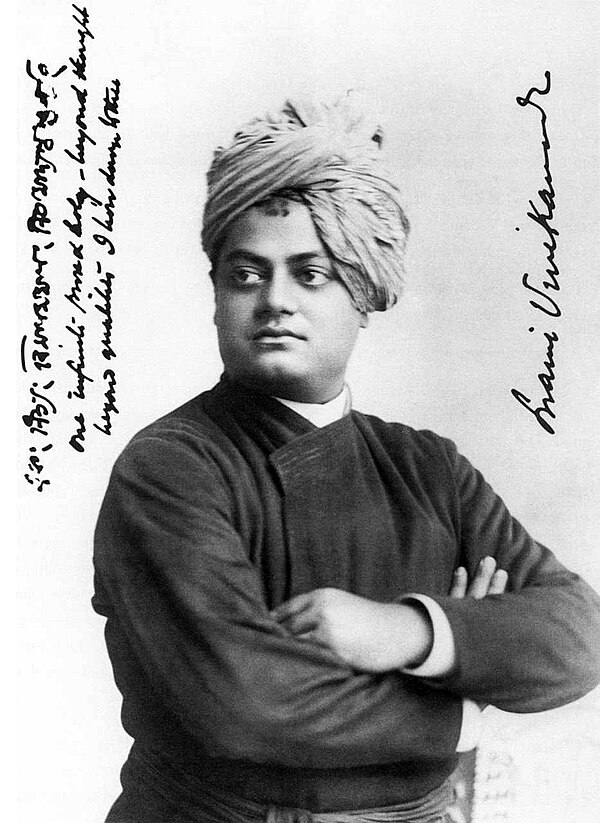
Swami Vivekananda's assertion, "In a conflict between the heart and the brain, follow your heart," invites us to consider the profound wisdom that resides within our emotional selves. This statement underscores the tension that often exists between rational thought and heartfelt intuition, suggesting that the heart holds a deeper truth that transcends mere logic. In a world increasingly dominated by analytical reasoning, this teaching serves as a reminder of the importance of emotional intelligence and the value of listening to our inner voice.
Vivekananda's words resonate particularly in times of personal or societal conflict, where decisions often hinge on a choice between cold calculation and warm compassion. The heart, in this context, symbolizes not just emotion but a form of wisdom that is holistic and integrative. By advocating for the heart's guidance, Vivekananda encourages us to embrace vulnerability and authenticity, suggesting that true wisdom often lies in the depths of our feelings rather than the confines of our intellect.
The image / the metaphor
The imagery in Vivekananda's quote evokes a vivid internal struggle, one that many of us experience when faced with difficult choices. The heart, often associated with love, compassion, and intuition, stands in contrast to the brain, which represents logic, analysis, and rationality. The verbs "follow" and "conflict" imply a dynamic relationship between these two aspects of our being, suggesting that while they may often be at odds, there is a path forward that honors the heart's wisdom.
Diving deeper into this metaphor, we can see that the heart does not merely represent emotion; it embodies a kind of wisdom that is intuitive and experiential. This wisdom is not always easily articulated or understood through the lens of reason. Instead, it often manifests in feelings, gut instincts, and a sense of connection to something greater than oneself. By choosing to follow the heart, we are invited to trust in this deeper knowing, which can lead us to more authentic and fulfilling choices.
In the speaker's tradition
Swami Vivekananda's teachings are deeply rooted in the Hindu tradition, where the heart is often seen as a vessel for divine love and wisdom. Concepts such as bhakti (devotion) and prajna (wisdom) highlight the importance of emotional engagement in the spiritual journey. In this context, the heart is not merely a source of feeling but a gateway to understanding one's dharma (duty) and purpose in life, suggesting that true fulfillment comes from aligning with our innermost values and feelings.
Moreover, Vivekananda's emphasis on the heart can be likened to the Buddhist concept of sunyata (emptiness), where the heart's wisdom transcends the dualities of thought and emotion. In the Bhagavad Gita, Krishna advises Arjuna to act according to his inner calling rather than being swayed by external pressures. This alignment with one's heart is a recurring theme in many spiritual texts, reinforcing the idea that our deepest truths often lie beyond the confines of rational thought.
Living the teaching
Consider a modern scenario where this teaching might resonate: a professional facing a career decision that pits financial security against a passion for art. The brain may argue for the stability of a corporate job, while the heart yearns for the creative expression that brings joy and fulfillment. In such moments, following the heart may lead to a more authentic life, even if it involves risks and uncertainties. This choice reflects a commitment to living in alignment with one's true self, rather than conforming to societal expectations.
In relationships, the conflict between heart and brain can also manifest powerfully. Imagine a situation where one partner feels a deep emotional connection but is hesitant to express it due to fears of vulnerability or past experiences. Here, the heart's call for openness and connection may clash with the brain's protective instincts. Embracing the heart's wisdom in this context can foster deeper intimacy and understanding, allowing both partners to navigate their fears and build a more authentic relationship.
A reflection
As we contemplate Vivekananda's profound insight, we are invited to reflect on our own lives: in what areas do we find ourselves torn between the heart and the brain? What would it mean for us to prioritize the wisdom of the heart in our decision-making? By engaging with these questions, we can begin to uncover the deeper truths that guide our paths and cultivate a more authentic existence.