The Power of Letting Go: Embracing Renunciation
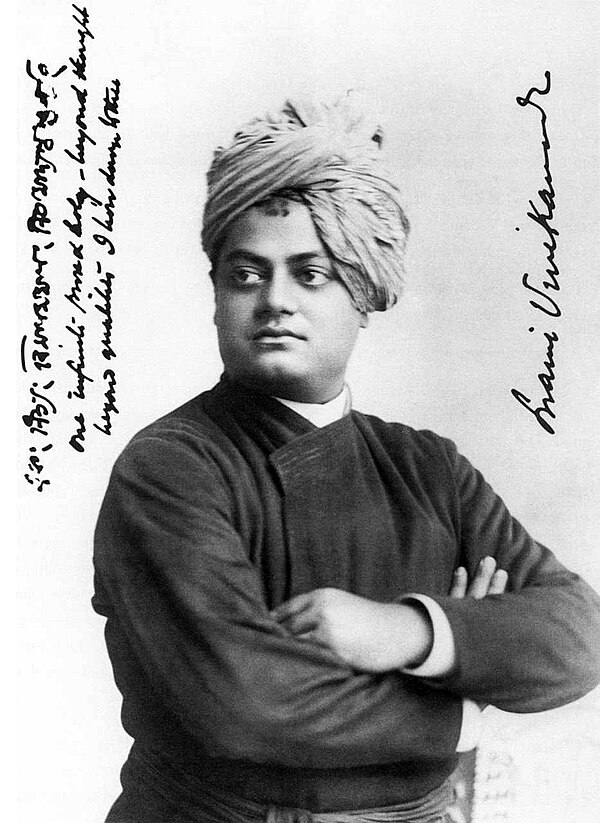
Swami Vivekananda's assertion that "Renunciation, Vairagya — that is the watchword" invites us to explore the profound significance of letting go in our spiritual journeys. At its core, this statement emphasizes the necessity of renunciation as a means to achieve deeper understanding and connection with the self and the universe. In a world often dominated by material desires and distractions, the call to renounce is not merely about giving up possessions, but rather about shedding attachments that cloud our perception and hinder our spiritual growth.
In a broader context, renunciation serves as a pathway to liberation, allowing individuals to transcend the limitations imposed by societal expectations and personal desires. This teaching resonates deeply within the fabric of Hindu philosophy, where the pursuit of moksha, or liberation, is often intertwined with the practice of detachment. By embracing Vairagya, we are encouraged to cultivate a disciplined approach to life, one that prioritizes inner peace and spiritual fulfillment over transient pleasures.
The image / the metaphor
The term "Vairagya" evokes a vivid imagery of a traveler shedding burdens along a journey. The act of renunciation is not simply an abandonment of material goods; it is a conscious choice to release the emotional and psychological weights that hinder our progress. The verbs chosen in Vivekananda's quote suggest an active engagement with the process of letting go, highlighting that renunciation is a dynamic practice rather than a passive state of being.
Diving deeper into this metaphor, we can envision renunciation as a cleansing ritual, akin to a river flowing freely after the removal of debris. Just as a river must clear its path to sustain life, so too must we clear our minds and hearts of attachments that obstruct our spiritual evolution. This imagery invites us to consider what we might need to release in order to flow more freely in our own lives, embracing the transformative power of Vairagya.
In the speaker's tradition
Swami Vivekananda's teachings are deeply rooted in the rich tapestry of Hindu philosophy, where concepts such as dharma, the moral order, and moksha, the ultimate liberation, play pivotal roles. Renunciation, or Vairagya, is often seen as a necessary step toward fulfilling one's dharma, allowing individuals to align their actions with their higher purpose. This alignment fosters a sense of inner peace and clarity, enabling one to navigate the complexities of life with grace and wisdom.
In the context of Vivekananda's work, we can draw parallels to the Bhagavad Gita, where Lord Krishna imparts wisdom on the importance of selfless action and detachment from the fruits of one's labor. The Gita teaches that true renunciation does not entail abandoning action but rather engaging in it without attachment to outcomes. This perspective enriches our understanding of Vairagya, framing it as an active engagement with life that is rooted in a profound sense of inner freedom.
Living the teaching
Consider a modern scenario where an individual grapples with the pressures of career advancement. In a culture that often equates success with material gain, the practice of Vairagya can serve as a guiding light. By consciously choosing to detach from the relentless pursuit of status and wealth, one can redirect their focus toward meaningful contributions and personal fulfillment. This shift not only alleviates stress but also fosters a deeper connection with one's true self and purpose.
In the realm of relationships, the principle of renunciation can manifest in the form of letting go of expectations. When we cling to specific outcomes or behaviors from others, we often set ourselves up for disappointment. By practicing Vairagya in our relationships, we cultivate an atmosphere of acceptance and love, allowing others to be who they are without the weight of our attachments. This approach not only enhances our connections but also nurtures our own emotional well-being.
A reflection
As we contemplate Swami Vivekananda's call to embrace renunciation, we are invited to reflect on our own lives and the attachments we hold. What burdens are we carrying that may be hindering our spiritual growth? In what ways can we practice Vairagya to foster a deeper sense of freedom and connection within ourselves and with the world around us? This inquiry opens the door to transformative possibilities, guiding us toward a more liberated existence.