Embracing the Sacredness of the Present
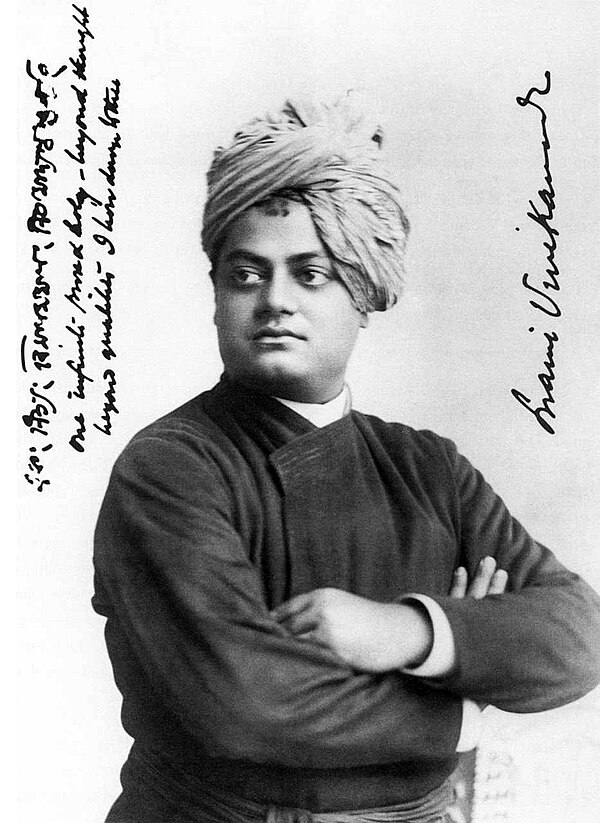
Swami Vivekananda's assertion that "the greatest religion is to be true to this life, to make the most of it" invites us to engage deeply with our existence. This statement urges us to recognize the inherent value of our current experiences, suggesting that the essence of spirituality lies not in distant ideals or afterlives, but in the authenticity of our present moment. The stakes are high: in a world often distracted by the pursuit of external validation or future aspirations, this teaching calls us to ground ourselves in the here and now, to cultivate a life rich with purpose and meaning.
In a society that frequently glorifies ambition and achievement, Vivekananda’s words serve as a gentle reminder of the importance of being present. They challenge us to reflect on how we can honor our lives as they are, rather than as we wish them to be. This perspective invites a radical shift in our understanding of faith and purpose, encouraging us to find divinity in the mundane and to recognize that every moment holds the potential for profound spiritual awakening.
The image / the metaphor
The imagery in Vivekananda's quote is both vivid and poignant. To be "true to this life" evokes a sense of authenticity, a call to align our actions with our deepest values and truths. The phrase "to make the most of it" suggests an active engagement with our circumstances, urging us to seize opportunities and embrace challenges as integral parts of our journey. This dynamic interplay between truth and action creates a felt sense of urgency, as if each moment is a precious gift that deserves our full attention and appreciation.
Diving deeper into the metaphor, we can see that being true to life is not merely about personal fulfillment; it is also about recognizing our interconnectedness with others and the world around us. The call to make the most of our lives implies a responsibility to contribute positively to the collective human experience. In this light, the quote becomes a profound invitation to live with intention, to cultivate compassion, and to engage in acts of service that uplift both ourselves and those we encounter.
In the speaker's tradition
Swami Vivekananda's teachings are deeply rooted in the rich tapestry of Hindu philosophy, where concepts such as dharma and karma play pivotal roles. Dharma, or one's duty, encourages individuals to act in accordance with their true nature and responsibilities, while karma emphasizes the importance of our actions and their consequences. In this context, being true to life aligns with fulfilling one's dharma, suggesting that spiritual growth is intrinsically linked to our engagement with the world around us.
Moreover, Vivekananda's emphasis on authenticity resonates with the concept of kenosis, or self-emptying, found in various spiritual traditions. This idea encourages us to let go of ego-driven desires and to embrace a life of service and humility. In his work "Karma Yoga," Vivekananda articulates the importance of selfless action, reinforcing the notion that true spirituality is not found in renunciation but in active participation in life, where every action can be an expression of the divine.
Living the teaching
Consider a modern scenario where this teaching might resonate: a young professional feeling overwhelmed by the demands of work and societal expectations. In striving for success, they may lose sight of their passions and the joy of the present moment. By embracing Vivekananda's wisdom, this individual could shift their focus from external validation to internal fulfillment, allowing them to rediscover the joy in their work and the importance of balance in their life. This approach not only enhances personal well-being but also fosters a more authentic connection with colleagues and clients.
In another context, imagine a relationship strained by misunderstandings and unspoken expectations. By embodying the principle of being true to life, individuals in this relationship can engage in open, honest communication, expressing their needs and vulnerabilities. This practice of authenticity can lead to deeper intimacy and understanding, transforming the relationship into a space of mutual growth and support. In both scenarios, the essence of Vivekananda's teaching encourages us to embrace our current reality and to act with integrity and purpose.
A reflection
As we contemplate Swami Vivekananda's profound assertion, we are invited to ask ourselves: How can I be more true to my life in this moment? This question encourages a deep introspection, prompting us to examine our current circumstances, relationships, and aspirations. By reflecting on this inquiry, we can begin to uncover the layers of our existence, recognizing where we may be holding back and where we can fully engage with the richness of life that surrounds us.