The Grace of Surrender: Embracing Divine Support
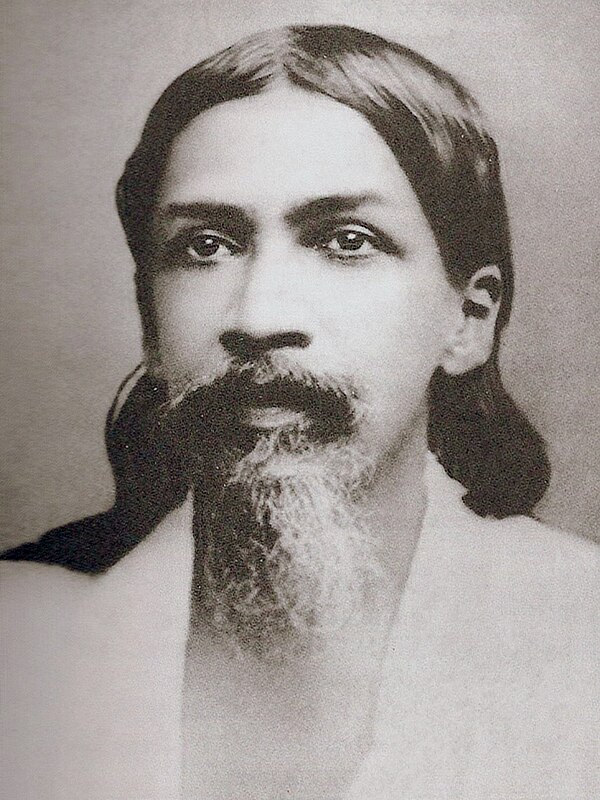
Sri Aurobindo's assertion that "The Divine grace alone is the true help; we have to depend on it and not on ourselves" invites us into a profound exploration of humility and reliance on a higher power. In a world that often champions self-sufficiency and personal achievement, this perspective challenges us to reconsider the sources of our strength and guidance. It suggests that true support comes not from our own efforts but from a grace that transcends our individual capacities, urging us to cultivate a deeper trust in the divine.
This teaching resonates with the essence of spiritual practice, where the act of surrender becomes a pathway to deeper understanding and connection. By acknowledging our limitations and the vastness of divine grace, we open ourselves to a transformative experience that can reshape our lives. The journey towards recognizing this grace is not merely an intellectual exercise; it is a heartfelt invitation to engage with the divine in a way that fosters humility and a sense of belonging within the greater tapestry of existence.
The image / the metaphor
The imagery in Sri Aurobindo's quote evokes a sense of reliance and trust. The term "Divine grace" conjures visions of a nurturing force, akin to a gentle rain that nourishes the earth, allowing life to flourish. The verbs "depend" and "help" suggest a dynamic relationship between the seeker and the divine, where the act of surrender is not passive but an active engagement with a source of support that is both sustaining and transformative. This reliance on grace implies a relinquishing of the ego's grip, inviting a deeper connection to the divine flow of life.
In the speaker's tradition
Sri Aurobindo's teachings are deeply rooted in the Hindu tradition, where concepts such as bhakti (devotion) and dharma (righteous duty) play crucial roles in understanding the relationship between the individual and the divine. The notion of grace aligns closely with the idea of bhakti, which emphasizes surrendering to a higher power as a means of attaining spiritual fulfillment. In this context, grace is not earned through actions but is bestowed upon those who open their hearts in devotion, allowing them to transcend the limitations of the self.
Moreover, Aurobindo's perspective can be enriched by considering the concept of kenosis, or self-emptying, found in various spiritual traditions. This idea parallels the Hindu understanding of surrender, where the individual relinquishes their ego and personal desires to make space for divine will. In his writings, Aurobindo often refers to the transformative power of surrender, echoing the sentiments found in texts like the Bhagavad Gita, where Arjuna learns to trust in Krishna's guidance, ultimately realizing that true strength lies in yielding to divine grace.
Living the teaching
Imagine a modern scenario where an individual faces a significant life decision, perhaps a career change or a relationship challenge. In such moments, the instinct may be to rely solely on personal judgment and capabilities, leading to stress and uncertainty. However, by embracing the teaching of divine grace, one might pause to reflect and seek guidance through meditation or prayer, inviting a sense of calm and clarity. This shift from self-reliance to divine dependence can transform the decision-making process, allowing for insights that transcend personal limitations.
In the realm of relationships, the application of this teaching can be equally profound. Consider a situation where conflict arises between partners. The tendency may be to assert one's perspective, leading to further discord. Yet, by invoking the principle of grace, both individuals can approach the situation with humility, recognizing that their love and understanding are nurtured by a higher source. This shift in perspective fosters compassion and openness, allowing for healing and deeper connection, as both partners learn to depend on the grace that exists within their relationship.
A reflection
As we contemplate Sri Aurobindo's words, we are invited to consider the ways in which we seek support in our lives. Are we relying solely on our own strength, or are we open to the grace that surrounds us? In moments of challenge, how might we cultivate a deeper trust in the divine, allowing ourselves to be guided by a force greater than our individual selves? Reflecting on these questions can lead to a richer understanding of our spiritual journey and a more profound connection to the grace that sustains us.






Join the BrightStar Community
Stay connected with daily inspiration, event announcements, and community wisdom